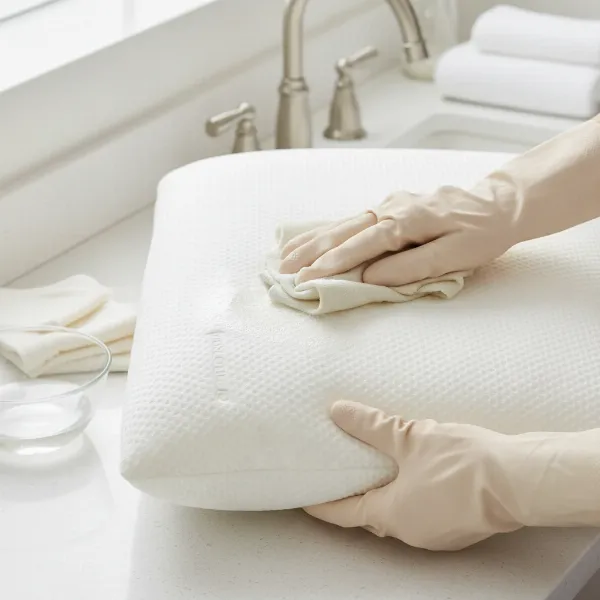
Ever wonder what lurks within your seemingly clean bed pillows? Over time, these nightly companions accumulate sweat, dead skin cells, oils, and dust mites, becoming less supportive and potentially triggering allergies. While the thought of washing them might conjure images of lumpy, misshapen messes, it doesn’t have to be a daunting task. With the right techniques, you can restore your pillows to their fresh, fluffy glory without compromising their integrity. This comprehensive guide will walk you through the proper steps to wash your bed pillows, ensuring they maintain their shape and provide you with a cleaner, healthier sleep environment.
The Importance of Clean Bed Pillows
Your pillow is a sanctuary for your head and neck, but it can also become a haven for unwanted guests and debris. Night after night, it absorbs a surprising amount of moisture and impurities, leading to discoloration, unpleasant odors, and a buildup of allergens like dust mites. Regularly washing your pillows, ideally every three to six months, is crucial for hygiene, preventing allergies, and maintaining the quality of your sleep. If you notice yellowing, persistent odors, or a significant loss of fluff and support, it’s a clear sign your pillow is crying out for a wash.
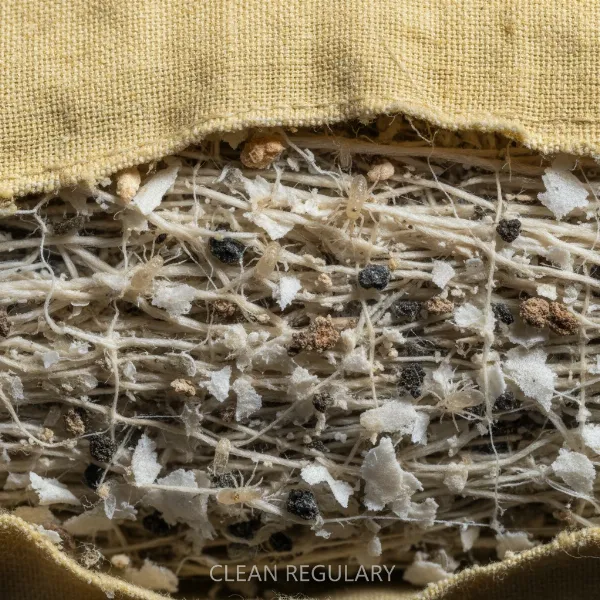 Close-up of a used pillow with microscopic dust mites and allergens, highlighting the need for washing.
Before You Begin: Essential Preparations
Before you toss your pillows into the laundry, a little preparation goes a long way in ensuring a successful wash and dry cycle.
Always Check the Care Label
|
Our Picks for the Best Bed pillows in 2026
As an Amazon Associate I earn from qualifying purchases.
|
||
| Num | Product | Action |
|---|---|---|
| 1 | Goose Feather Down Pillow Queen Size Set of 2, Hotel Collection Bed Pillows for Sleeping, 2 Pack, Down Surrounded Soft Medium Firm Pillows for Side Back Sleepers 20 x 30 in. |

|
| 2 | Utopia Bedding Bed Pillows for Sleeping Queen Size (Navy/White), Set of 2, Cooling Hotel Quality, Gusseted Pillow for Back, Stomach or Side Sleepers |
|
| 3 | Beckham Hotel Collection Bed Pillows Standard/Queen Size Set of 2 - Original Soft Down Alternative Pillow for Sleeping - Soft Support for Back, Stomach or Side Sleepers |
|
| 4 | Amazon Basics Down Alternative Pillows for Stomach and Back Sleepers, Soft Density, Standard, Pack of 2, White, 26 in L x 20 in W |
|
| 5 | Utopia Bedding Bed Pillows for Sleeping Queen Size (Black), Set of 2, Soft & Fluffy Pillow with Down Alternative Filling, Cooling, Hotel Quality, Gusseted Pillow for Back, Stomach or Side Sleepers |
|
| 6 | Amazon Basics Down Alternative Pillow for Back Side Sleepers, Medium Density, Standard Size, 26" x 20", 2-Pack, White |
|
| 7 | Utopia Bedding Bed Pillows for Sleeping Queen Size (Grey), Set of 2, Soft & Fluffy Pillow with Down Alternative Filling, Cooling, Hotel Quality, Gusseted Pillow for Back, Stomach or Side Sleepers |
|
| 8 | Amazon Basics Down-Alternative Pillows for Stomach and Back Sleepers, Soft Density, 20 x 36 inches, 2-Pack, White |
|
| 9 | Utopia Bedding Bed Pillows for Sleeping Queen Size (White), Set of 2, Soft & Fluffy Pillow with Down Alternative Filling, Cooling, Hotel Quality, Gusseted Pillow for Back, Stomach or Side Sleepers |
|
| 10 | Utopia Bedding Bed Pillows for Sleeping Queen Size (Blue), Set of 2, Soft & Fluffy Pillow with Down Alternative Filling, Cooling, Hotel Quality, Gusseted Pillow for Back, Stomach or Side Sleepers |
|
This is the golden rule of pillow washing. Each pillow type comes with specific manufacturer instructions, which are vital for preserving its materials and shape. Some pillows are perfectly fine for machine washing, while others, like memory foam, require a gentler, hand-wash-only approach. Ignoring these labels can lead to irreparable damage.
Gather Your Supplies
For most machine-washable pillows, you’ll need:
- A mild liquid laundry detergent
- Optional: White vinegar for extra freshness and stain removal
- Dryer balls or clean tennis balls (placed in socks to prevent lint)
- For hand washing: a large basin or clean bathtub
Remove Pillowcases and Protectors
Strip off all pillowcases and pillow protectors. These items should be washed separately and often more frequently than the pillow itself. Removing them allows for a thorough cleaning of the pillow’s surface and filling. If you have any visible stains, pre-treat them with a small amount of mild detergent before washing.
Washing Different Types of Bed Pillows
The method you choose largely depends on your pillow’s filling. Knowing how to handle each type is key to maintaining its structure.
Machine Washable Pillows: Down, Feather, Synthetic, Cotton
Many common pillow types, including those filled with down, feathers, synthetic fibers (polyester fiberfill), and cotton, can be safely machine washed.
- Loading the Machine: For optimal balance and to prevent your washing machine from becoming lopsided, wash two pillows at a time. Position them vertically in the drum to allow for better water circulation.
- Detergent Choice: Use a small amount (about a tablespoon) of mild, liquid laundry detergent. Avoid excessive detergent, as it can leave residue and make your pillows feel stiff or clumpy. Liquid detergent is generally preferred over powder, which can be harder to rinse out. For an extra boost of freshness, consider adding half a cup of white vinegar to the detergent dispenser.
- Cycle and Water Temperature: Select a gentle or delicate cycle. As for water temperature, cold water is often recommended to prevent the filling from clumping and to protect the fabric. However, some care labels might suggest warm water, so always defer to the tag.
- Extra Rinse Cycle: If your machine has this option, run an extra rinse cycle. This helps ensure all soap is thoroughly washed out, preventing residue buildup that can weigh down the filling.
Hand Washing Pillows: Memory Foam, Latex, Buckwheat
Certain pillow types, such as memory foam, latex, and buckwheat, are not designed for machine washing. The agitation and high heat can break down their delicate structures.
- Spot Cleaning: For minor spills or small stains, spot cleaning is your best friend. Dampen a clean cloth with a small amount of mild detergent solution and gently blot the affected area. Avoid soaking, which can make drying difficult.
- Full Hand Wash Method:
- Fill a large basin or a clean bathtub with lukewarm water and a small amount of gentle liquid detergent.
- Submerge the pillow, gently squeezing the soapy water through the material. Do not twist, wring, or aggressively scrub the pillow, as this can tear the foam or damage the internal structure.
- Drain the soapy water and refill with clean, cool water. Continue gently squeezing and rinsing until no soap remains. This may take several rinses.
- Carefully press out excess water without wringing.
Drying Your Pillows: The Key to Retaining Shape and Fluffiness
Proper drying is arguably the most critical step in preventing pillow deformation and ensuring they remain fluffy and supportive.
Immediate Transfer to Dryer
As soon as the wash cycle is complete (or hand-washed pillows have had excess water gently pressed out), transfer them to the dryer. Leaving them damp can encourage mold and mildew growth and contribute to clumping.
The Power of Dryer Balls
To prevent clumping and help your pillows regain their loft, place two or three clean dryer balls or tennis balls (inside clean socks to prevent lint transfer) into the dryer with your pillows. As they tumble, these balls will effectively “beat” the pillows, breaking up any wet clumps of filling and ensuring even drying and fluffiness.
Temperature Settings
Always use a low heat setting or an air fluff/no heat cycle. High heat can damage synthetic fibers, shrink fabrics, and break down natural fillings like down and feathers, leading to permanent lumps. Down and feather pillows often benefit most from a no-heat setting.
Thorough Drying is Crucial
Pillows can take a surprisingly long time to dry completely. Dry them in increments of 30-60 minutes, pausing the cycle to remove and manually fluff the pillows. Feel for any damp spots, especially in the center. It is absolutely essential that pillows are completely dry before being put back on your bed, as any residual moisture can lead to mildew and an unpleasant odor.
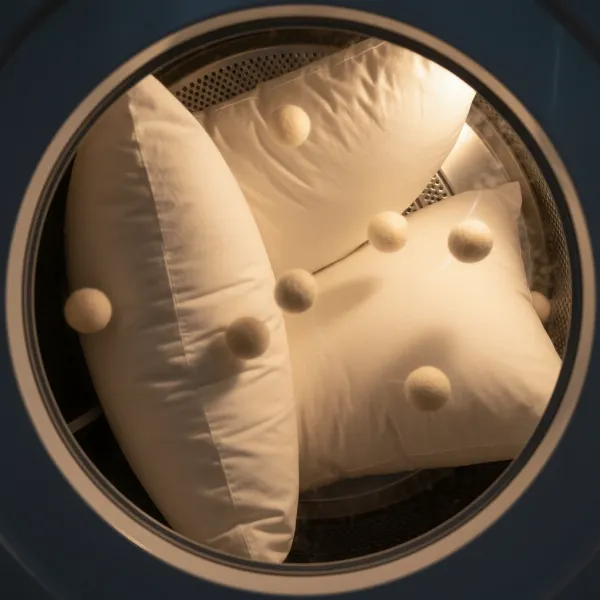 Two white bed pillows tumbling in a dryer with dryer balls to restore fluffiness and ensure even drying.
Air Drying Alternatives
If you prefer not to use a dryer, or for pillows that cannot be tumble-dried (like many memory foam or latex pillows), air drying is an option. Lay the pillows flat on a clean, well-ventilated drying rack, preferably in a sunny spot. Flip and rotate them frequently to ensure even drying and prevent moisture buildup. This method can take a full day or longer depending on humidity.
Maintaining Pillow Freshness Between Washes
Beyond the deep clean, regular small efforts can significantly extend the life and freshness of your pillows.
Use Pillow Protectors
A good quality pillow protector acts as a barrier against sweat, oils, dust mites, and allergens, shielding your pillow from the daily grind. This not only keeps your pillow cleaner for longer but also reduces the frequency of intensive washes.
Regular Fluffing and Airing
Make it a habit to fluff your pillows daily. A quick shake and pat help redistribute the filling, maintaining their loft and support. Occasionally, take your pillows outdoors on a sunny, dry day to air them out. Fresh air and sunlight can naturally refresh them and help dissipate any lingering moisture.
Spot Cleaning for Minor Spills
Don’t wait for a full wash cycle to address small spills or stains. Prompt spot cleaning with a mild detergent and a damp cloth can prevent blemishes from setting in, keeping your pillow looking neat and extending the time between deep cleans.
When to Say Goodbye: Replacing Your Pillows
Even with the best care, pillows don’t last forever. Over time, their materials degrade, and they lose their ability to provide adequate support and hygiene.
Look for these signs that it’s time for a replacement:
- Loss of Support: If your pillow doesn’t spring back when folded or no longer provides proper neck alignment.
- Persistent Lumps or Flat Spots: Despite regular fluffing, if your pillow remains lumpy or permanently flattened.
- Lingering Odor or Stains: Even after washing, if your pillow retains an unpleasant smell or deep stains.
- Increased Allergies: If you wake up with heightened allergy symptoms, it might indicate an accumulation of allergens within the pillow.
General replacement guidelines by material are:
- Polyester Pillows: Every 6 months to 2 years
- Down and Feather Pillows: Every 2-3 years
- Memory Foam and Latex Pillows: Every 2-4 years
Conclusion
Washing your bed pillows correctly is an essential, yet often overlooked, part of maintaining a healthy sleep environment. By following these expert-backed strategies—from carefully checking care labels and selecting the right washing method to mastering the art of drying—you can keep your pillows clean, fresh, and perfectly shaped. Remember, a clean pillow isn’t just about aesthetics; it’s about investing in better sleep and overall well-being. So, which pillow will you refresh first tonight?
Frequently Asked Questions
Can I wash all pillows in a washing machine?
No, not all pillows are machine washable. While down, feather, synthetic, and cotton pillows often can be, memory foam and latex pillows typically require hand washing or spot cleaning to prevent damage to their delicate structures. Always check the care label first.
How long does it take for pillows to dry?
Drying time varies depending on the pillow type, filling material, and dryer settings, but it can take anywhere from 1 to 4 hours in a tumble dryer on a low heat setting. It’s crucial to dry them completely, usually in increments with periodic fluffing, to prevent mildew.
What if my pillow is still lumpy after washing?
If your pillow is lumpy after washing, it likely didn’t dry evenly or the filling clumped during the wash. Re-wetting the pillow and then re-drying it with several dryer balls (or tennis balls in socks) on a low heat setting can help break up clumps and redistribute the filling. You may need to pause and manually fluff several times during the drying process.
Is white vinegar good for washing pillows?
Yes, white vinegar can be an excellent addition to your pillow washing routine. Adding about half a cup to the detergent dispenser helps to whiten, deodorize, and break down mineral deposits and detergent residue, leaving your pillows fresher and cleaner.