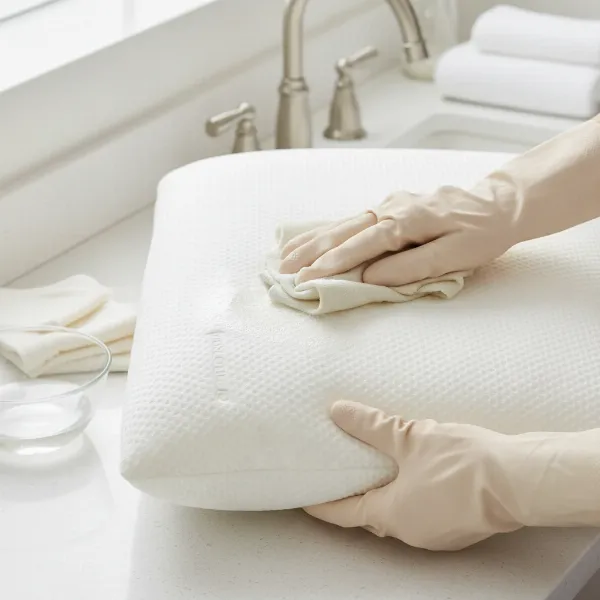
Are your once fluffy bed pillows now flat, lumpy, or discolored? Many people simply toss old pillows in the trash, but this contributes significantly to landfill waste. With over a decade of experience in the sleep industry, I’ve seen countless pillows come and go, and I understand the importance of a good night’s rest. But what happens when a pillow’s prime is over? Fortunately, there are many creative and eco-friendly ways to give your old bed pillows a new life or dispose of them responsibly, improving your home environment and overall well-being.
Bed Pillows: An Overview and Their Environmental Impact
Bed pillows are more than just soft cushions for our heads; they are crucial for maintaining proper spinal alignment and ensuring restful sleep. However, like all bedding, pillows have a limited lifespan. The National Sleep Foundation recommends replacing bed pillows every one to two years due to the accumulation of dead skin cells, dust mites, oils, and allergens that can affect both hygiene and support.
When discarded, pillows, often made from synthetic materials like polyester fill or memory foam, take hundreds of years to decompose in landfills, contributing to environmental pollution. Understanding the various types of bed pillows available—such as feather, down, cotton, memory foam, latex, and buckwheat—can also inform how best to repurpose or recycle them, as different materials have different properties and disposal requirements. The good news is that giving your old pillows a second act or ensuring their proper disposal can significantly reduce your environmental footprint.
Common Types of Bed Pillows and Their Suitability for Repurposing
The material inside your pillow often dictates the best way to reuse or recycle it.
Feather and Down Pillows
- Pros: Soft, moldable, breathable, and durable. The natural fill can often be composted.
- Cons: Can be expensive and may trigger allergies in some individuals.
- Repurposing/Recycling: Feather and down can be removed from the casing and added to a compost bin, enriching soil with nitrogen. The fabric casing can then be repurposed as rags.
|
Our Picks for the Best Bed pillows in 2026
As an Amazon Associate I earn from qualifying purchases.
|
||
| Num | Product | Action |
|---|---|---|
| 1 | Utopia Bedding Bed Pillows for Sleeping Queen Size (White), Set of 2, Soft & Fluffy Pillow with Down Alternative Filling, Cooling, Hotel Quality, Gusseted Pillow for Back, Stomach or Side Sleepers |

|
| 2 | Amazon Basics Down-Alternative Pillows for Stomach and Back Sleepers, Soft Density, 20 x 36 inches, 2-Pack, White |
|
| 3 | Utopia Bedding Bed Pillows for Sleeping Queen Size (Blue), Set of 2, Soft & Fluffy Pillow with Down Alternative Filling, Cooling, Hotel Quality, Gusseted Pillow for Back, Stomach or Side Sleepers |
|
| 4 | Amazon Basics Down Alternative Pillow for Back Side Sleepers, Medium Density, Standard Size, 26" x 20", 2-Pack, White |
|
| 5 | Utopia Bedding Bed Pillows for Sleeping Queen Size (Navy/White), Set of 2, Cooling Hotel Quality, Gusseted Pillow for Back, Stomach or Side Sleepers |
|
| 6 | Goose Feather Down Pillow Queen Size Set of 2, Hotel Collection Bed Pillows for Sleeping, 2 Pack, Down Surrounded Soft Medium Firm Pillows for Side Back Sleepers 20 x 30 in. |
|
| 7 | Beckham Hotel Collection Bed Pillows Standard/Queen Size Set of 2 - Original Soft Down Alternative Pillow for Sleeping - Soft Support for Back, Stomach or Side Sleepers |
|
| 8 | Amazon Basics Down Alternative Pillows for Stomach and Back Sleepers, Soft Density, Standard, Pack of 2, White, 26 in L x 20 in W |
|
| 9 | Utopia Bedding Bed Pillows for Sleeping Queen Size (Grey), Set of 2, Soft & Fluffy Pillow with Down Alternative Filling, Cooling, Hotel Quality, Gusseted Pillow for Back, Stomach or Side Sleepers |
|
| 10 | Utopia Bedding Bed Pillows for Sleeping Queen Size (Black), Set of 2, Soft & Fluffy Pillow with Down Alternative Filling, Cooling, Hotel Quality, Gusseted Pillow for Back, Stomach or Side Sleepers |
|
Cotton Pillows
- Pros: Natural, breathable, and often hypoallergenic.
- Cons: Can flatten over time and may not offer as much support as other fills.
- Repurposing/Recycling: Cotton fill can often be used for craft projects or as stuffing. The material is generally accepted by textile recyclers.
Latex Pillows
- Pros: Durable, supportive, naturally hypoallergenic, and resistant to dust mites.
- Cons: Can be heavier and more expensive. Some people dislike the feel or scent of natural latex.
- Repurposing/Recycling: Latex foam can be cut into smaller pieces for various uses. Some specialized foam recyclers or mattress recyclers may accept them.
Memory Foam Pillows
- Pros: Contours to the head and neck, offering excellent pressure relief and support.
- Cons: Can retain heat, may have an initial off-gassing smell, and can be heavy.
- Repurposing/Recycling: Like latex, memory foam can be cut for kneeling pads or packing material. Specialized foam recycling is often required as it cannot be traditionally composted or recycled curbside.
Buckwheat Pillows
- Pros: Excellent support, breathability, and adjustability. Natural and hypoallergenic.
- Cons: Can be noisy, heavy, and firm.
- Repurposing/Recycling: The buckwheat hulls are fully compostable and can be returned to the earth. The fabric casing can be repurposed.
Practical Ways to Repurpose Old Bed Pillows at Home
Before you repurpose any pillow, always make sure it is clean. Giving them a thorough wash (following care instructions for the specific fill) will prepare them for their new role.
Create Floor Cushions or Poufs
Combine the stuffing from several old pillows and cover them with durable fabric or old sheets to make comfortable floor cushions. These are perfect for extra seating in a living room, playroom, or a cozy reading nook. They provide a relaxed, inviting atmosphere and are a fantastic way to utilize bulky old pillows.
 Assortment of colorful floor cushions made from repurposed old bed pillows, adding comfort to a living space.
Make Pet Beds
Your furry friends will love a new bed that smells like you! Simply cover an old pillow with a soft blanket, an old sweatshirt, or a durable fabric to create a cozy resting spot for your dog or cat. This is an excellent way to provide comfort for your pet while extending the life of your pillow. Animal shelters are also often in need of old pillows for bedding in crates and kennels.
 A happy dog resting comfortably on a soft, rectangular pet bed made from a repurposed old bed pillow.
Utilize as Kneeling Pads
Gardening and household chores like scrubbing floors can be tough on the knees. Slip an old pillow into a waterproof cover or a sturdy pillowcase to create a comfortable kneeling pad. This simple DIY project can save your knees from discomfort during tasks that require you to be on the ground.
Use as Packing and Moving Material
When moving or shipping fragile items, old pillows can be invaluable. They provide excellent, reusable padding to protect delicate glassware, electronics, or keepsakes from bumps and scratches. You can even use them as buffers between furniture and walls to prevent damage during transit.
Craft Draft Stoppers
Drafty doors and windows can lead to increased energy bills. Repurpose pillow stuffing into draft stoppers by sewing together old fabric strips or pillowcases and filling them. Place these long, slender cushions along window sills or at the bottom of doors to block cold air and keep your home warmer.
Refresh Stuffed Animals and Throw Pillows
If a child’s favorite stuffed animal has lost its fluff, or decorative throw pillows need a boost, the clean stuffing from an old bed pillow can give them a new lease on life. Carefully open a seam, add the fresh stuffing, and sew it back up for an instant refresh.
Double Stuff for Added Comfort
If an old pillow has merely flattened but is otherwise in good condition, consider pairing it with a newer, less-than-fluffy pillow inside one pillowcase. This trick can extend the life of both pillows by providing extra support and loft.
Donating and Recycling Old Bed Pillows
When repurposing isn’t an option, or your pillows are too worn for home use, consider donating or recycling them responsibly.
Donation Options
- Animal Shelters: Many animal rescue organizations and shelters are happy to accept gently used, clean pillows for animal bedding.
- Homeless Shelters: Some homeless shelters may accept pillows that are in very good, clean condition, but it’s crucial to call ahead as hygiene policies vary.
- Textile Recycling Programs: Look for local textile recycling centers. Organizations like American Textile Recycling Service often have drop-off bins for household textiles, including pillows. The materials can be deconstructed and repurposed into things like carpet padding, insulation, or rags.
- Freecycle/Craigslist: You might find someone in your community who can use your old pillows for their own projects or needs.
Recycling Facilities
Most curbside recycling programs do not accept pillows. However, specialized textile recycling facilities can process the materials.
- Feather/Down: The natural fill can be composted.
- Foam Pillows (Memory Foam, Latex): These often require specialized foam recyclers or mattress recycling facilities. Check with local waste management or use online recycling search tools to find appropriate drop-off points.
- Synthetic Fibers: Synthetic fills can sometimes be recycled into new fibers or insulation by textile recyclers.
Important Note: Always check with your local recycling center or donation facility for their specific guidelines on what they accept, as policies can vary by location and material.
How to Care for Your Pillows to Extend Their Life
While all pillows eventually need replacing, proper care can significantly extend their lifespan.
- Use Pillow Protectors: These zippered covers go under your pillowcase and protect your pillow from moisture, dust mites, and allergens, keeping it cleaner and more durable.
- Regular Washing: Follow the manufacturer’s washing instructions. Most synthetic and down/feather pillows can be machine washed, often with tennis balls to prevent clumping. Memory foam and latex usually require spot cleaning.
- Fluff Regularly: Fluffing helps maintain the pillow’s shape and keeps the fill from compressing.
- Rotate and Flip: Regularly rotating and flipping your pillow can help ensure even wear.
Conclusion
The journey of a bed pillow doesn’t have to end in a landfill. By embracing creative repurposing, thoughtful donation, or responsible recycling, you can significantly reduce waste and contribute to a more sustainable lifestyle. From cozy pet beds to practical kneeling pads, your old pillows still have plenty of life left to give. So, before you consider tossing that lumpy old pillow, think about the positive impact you can make by giving it a second chance. What new purpose will your old pillow find in your home?
Frequently Asked Questions
How often should I replace my bed pillows?
It is generally recommended to replace your bed pillows every one to two years. Over time, pillows lose their support, accumulate allergens, and become unhygienic, impacting your sleep quality and health.
Can I put old pillows in my regular recycling bin?
No, most curbside recycling programs do not accept pillows. Pillows require specialized textile recycling facilities because of their mixed materials and bulk.
What are some signs that a pillow needs to be replaced?
Key signs include waking up with neck or shoulder pain, constant re-fluffing, noticeable stains or odors, visible lumps or flatness, or if the pillow is over two years old.
Are feather pillows compostable?
Yes, the natural feather or down fill from pillows can be removed from its casing and added to a compost bin. Feathers are rich in nitrogen and will break down, enriching your soil.
Can I donate old pillows to charity?
Some charities and shelters, especially animal shelters, may accept gently used, clean pillows. Always call ahead to confirm their current donation policies as hygiene requirements can be strict.