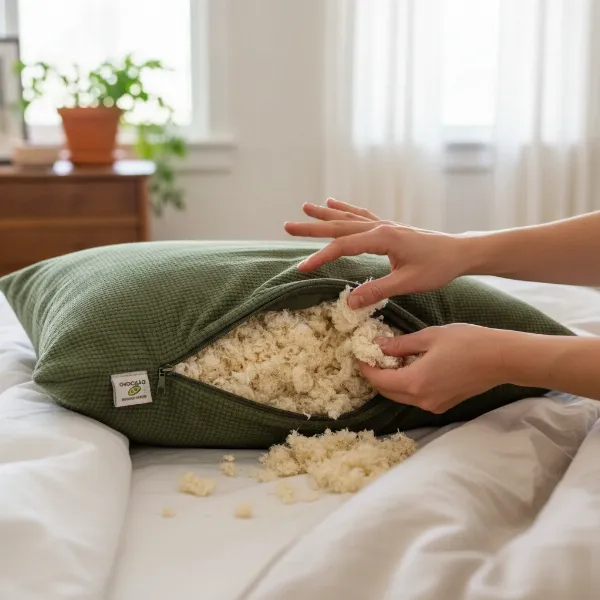
Waking up with itchy bites, finding tell-tale dark spots, or even spotting a tiny, reddish-brown intruder on your pillow can be a truly unsettling experience. Bed bugs are unwelcome guests that can quickly turn your peaceful sleep space into a source of anxiety. While the idea of these pests infesting your bed is distressing, understanding how to safely and effectively remove them from your pillows is the first step towards reclaiming your comfort and peace of mind. This guide will provide you with practical, safe methods and crucial insights to tackle a pillow bed bug infestation, ensuring your sleeping environment becomes bug-free and healthy once again.
Understanding the Threat: Bed Bugs in Your Pillows
Bed bugs are small, nocturnal insects that feed on the blood of humans and animals, typically at night. Their flat, oval bodies allow them to hide in incredibly narrow spaces, making your bed—especially your pillows—an ideal sanctuary. Pillows offer warmth, proximity to a food source, and numerous seams and crevices for hiding, making them prime real estate for these tenacious pests.
Recognizing the signs of an infestation is crucial for early intervention. You might notice small, itchy red bites on your skin, often appearing in lines or clusters. Inspect your pillows for tiny dark brown or black spots, which are bed bug fecal matter, or reddish smears from crushed bugs. A musty, sweet odor can also indicate a severe infestation. Occasionally, you may even spot the bed bugs themselves, their shed skins, or their tiny, pearly-white eggs hidden in seams. Prompt action is essential, not just for comfort, but to prevent the infestation from spreading and to protect your health from constant itching and potential secondary skin infections.
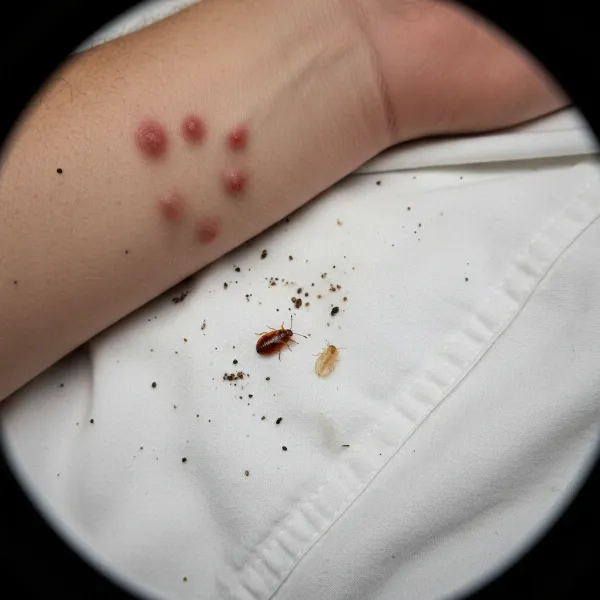 Close-up of bed bug infestation signs including bites, fecal matter, and a reddish-brown bed bug.
How Bed Bugs Infest Different Pillow Types
While bed bugs can infest virtually any pillow, the material and construction can influence how easily they hide and what treatment methods are most effective. Understanding your pillow type is key to selecting the safest removal strategy.
- Down/Feather and Synthetic/Microfiber Pillows: These pillows typically have fabric covers and internal fillings that offer many hiding spots. The good news is that most down, feather, and synthetic pillows are machine washable and can withstand high heat in a dryer, making thermal treatment a viable and often highly effective option. However, always check the care label to confirm suitability for hot washing and drying to avoid damaging the pillow’s structure or filling.
- Memory Foam and Latex Pillows: These types of pillows are dense and often cannot be machine washed or dried due to their material composition. High heat can damage memory foam and latex, causing it to break down or lose its supportive properties. For these pillows, heat treatment in a dryer or hot water wash is generally not recommended. Instead, alternative methods like freezing or, in some cases, professional heat treatment are necessary. If these aren’t feasible, encasement or responsible disposal might be the safest route.
- Buckwheat Pillows: Similar to memory foam and latex, buckwheat pillows are usually not designed for conventional washing or high-heat drying. The buckwheat hulls themselves would be damaged by moisture and heat. Freezing or encasement are more appropriate strategies for these natural-fill pillows.
Knowing the specific needs of your pillow allows you to choose a bed bug removal method that is both effective against the pests and safe for your pillow.
Safe and Effective Bed Bug Removal Methods for Pillows
When dealing with bed bugs in your pillows, safety and thoroughness are paramount. Here are the most effective and safe methods you can employ:
High-Heat Treatment (Washing & Drying)
Heat is a bed bug’s worst enemy, killing all life stages, including eggs. This method is highly effective for washable pillows and bedding.
- Preparation: Carefully remove all pillowcases, shams, and pillow protectors. Place them immediately into a sealed plastic bag to prevent any bugs from escaping and spreading.
- Washing: Wash pillowcases and any washable pillows (down, synthetic, microfiber) in hot water. Aim for a temperature of at least 140°F (60°C), as this temperature is proven to kill bed bugs and their eggs. Always consult your pillow’s care label to ensure it can withstand hot water.
- Drying: After washing, transfer items directly to a clothes dryer. Tumble dry on the highest heat setting that the fabric can tolerate for at least 30 minutes. The high heat in the dryer is often more critical than the wash cycle for killing bed bugs due to sustained, intense temperatures. For pillows, using a medium to high heat setting for at least 20-30 minutes, ensuring the core temperature reaches over 120°F (49°C), is typically effective. Adding dryer balls can help agitate pillows, ensuring even heat distribution and maintaining fluffiness.
- Post-Treatment: Once dry, immediately place the clean, bug-free items into new, clean plastic bags or bed bug-proof encasements until the rest of your bed and room are treated.
|
Our Picks for the Best Bed pillows in 2026
As an Amazon Associate I earn from qualifying purchases.
|
||
| Num | Product | Action |
|---|---|---|
| 1 | Utopia Bedding Bed Pillows for Sleeping Queen Size (Black), Set of 2, Soft & Fluffy Pillow with Down Alternative Filling, Cooling, Hotel Quality, Gusseted Pillow for Back, Stomach or Side Sleepers |

|
| 2 | Utopia Bedding Bed Pillows for Sleeping Queen Size (White), Set of 2, Soft & Fluffy Pillow with Down Alternative Filling, Cooling, Hotel Quality, Gusseted Pillow for Back, Stomach or Side Sleepers |
|
| 3 | Utopia Bedding Bed Pillows for Sleeping Queen Size (Grey), Set of 2, Soft & Fluffy Pillow with Down Alternative Filling, Cooling, Hotel Quality, Gusseted Pillow for Back, Stomach or Side Sleepers |
|
| 4 | Utopia Bedding Bed Pillows for Sleeping Queen Size (Navy/White), Set of 2, Cooling Hotel Quality, Gusseted Pillow for Back, Stomach or Side Sleepers |
|
| 5 | Utopia Bedding Bed Pillows for Sleeping Queen Size (Blue), Set of 2, Soft & Fluffy Pillow with Down Alternative Filling, Cooling, Hotel Quality, Gusseted Pillow for Back, Stomach or Side Sleepers |
|
| 6 | Amazon Basics Down Alternative Pillow for Back Side Sleepers, Medium Density, Standard Size, 26" x 20", 2-Pack, White |
|
| 7 | Goose Feather Down Pillow Queen Size Set of 2, Hotel Collection Bed Pillows for Sleeping, 2 Pack, Down Surrounded Soft Medium Firm Pillows for Side Back Sleepers 20 x 30 in. |
|
| 8 | Amazon Basics Down-Alternative Pillows for Stomach and Back Sleepers, Soft Density, 20 x 36 inches, 2-Pack, White |
|
| 9 | Amazon Basics Down Alternative Pillows for Stomach and Back Sleepers, Soft Density, Standard, Pack of 2, White, 26 in L x 20 in W |
|
| 10 | Beckham Hotel Collection Bed Pillows Standard/Queen Size Set of 2 - Original Soft Down Alternative Pillow for Sleeping - Soft Support for Back, Stomach or Side Sleepers |
|
Cold Treatment (Freezing)
For pillows that cannot tolerate high heat (like memory foam or latex), freezing is a safe and chemical-free alternative.
- Preparation: Place the infested pillow into a durable, sealable plastic bag. Ensure the bag is completely airtight to prevent moisture from damaging the pillow and to keep any bugs from escaping.
- Freezing: Place the sealed bag in a freezer set to 0°F (-18°C) or colder. It is crucial for the item to remain at or below this temperature continuously for a minimum of 72 hours (three full days). For thicker pillows or to be absolutely certain, extending this period to five days is often recommended. Use a thermometer to verify your freezer’s temperature, as many home freezers may not consistently reach the required coldness.
- Thawing: After the freezing period, allow the pillow to thaw naturally. You can then air it out to remove any lingering odors.
Bed Bug Pillow Encasements
Pillow encasements offer both a treatment and a preventative measure, especially for pillows that are difficult to wash or freeze.
- Function: Invest in high-quality, zippered encasements specifically designed to be bed bug-proof. These covers completely encase your pillow, trapping any existing bed bugs inside where they will eventually die from starvation (bed bugs can survive for several months to over a year without feeding, so leave encasements on for at least a year). They also prevent new bed bugs from infesting your pillows.
- Benefits: Beyond bed bugs, these encasements also protect against dust mites and allergens, contributing to a healthier sleep environment.
- Application: Once your pillow has been treated by heat or cold, or if you’ve purchased new pillows, immediately place them in a bed bug-proof encasement. Ensure the zipper is completely closed and sealed. Regularly inspect encasements for any tears or holes, as even a tiny opening can compromise their effectiveness.
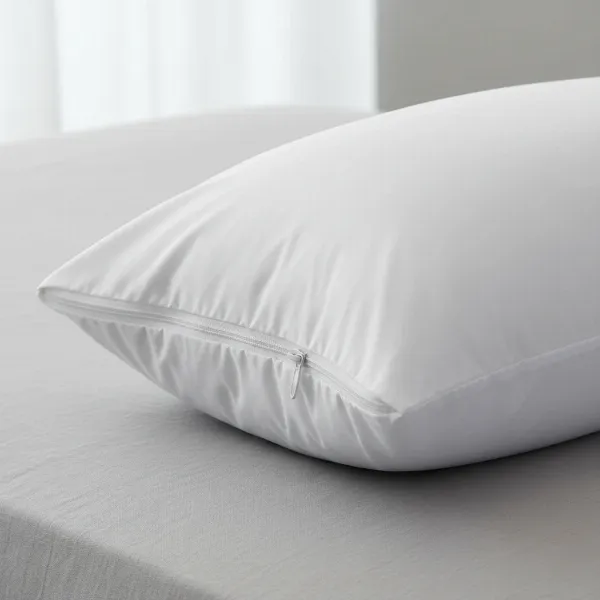 Pillow protected by a white, zippered bed bug-proof encasement for prevention.
Vacuuming
While not a standalone solution, thorough vacuuming can help reduce the bed bug population on the surface of pillows and in surrounding areas.
- Method: Use a vacuum cleaner with a hose attachment to meticulously vacuum all seams, edges, and crevices of your pillow. Also, vacuum your bed frame, mattress, box spring, and surrounding floor area.
- Disposal: Immediately after vacuuming, remove the vacuum bag (or empty the canister if bagless) outside your home. Seal the bag tightly in a plastic bag before discarding it in an outdoor trash bin to prevent any captured bed bugs from escaping back into your home.
Key Factors for Safe Pillow Disinfestation
Successfully eliminating bed bugs from your pillows requires a strategic and safe approach, considering several critical factors beyond just the treatment method.
Identifying the Full Extent of Infestation
Finding bed bugs in your pillows is a strong indicator that they are likely present elsewhere in your bedroom or even your home. Bed bugs are experts at hiding in cracks, crevices, behind baseboards, in electrical outlets, and within mattresses and box springs. Focusing solely on your pillows will not solve the entire problem, leading to re-infestation. A thorough inspection of your entire bed area, including the mattress, box spring, headboard, and surrounding furniture, is essential to gauge the full scope of the infestation.
Pillow Material Compatibility
Different pillow materials react differently to heat and moisture. As discussed, while down, feather, and synthetic pillows generally tolerate hot washing and drying, memory foam, latex, and buckwheat pillows usually do not. Attempting to use inappropriate treatment methods can permanently damage your pillows. Always check the manufacturer’s care label before applying any treatment, and opt for methods like freezing or encasement if washing or heating is not recommended.
Avoiding Harmful Chemicals
Pesticides and harsh chemical sprays should never be applied directly to pillows or other bedding items that come into close contact with your skin. These chemicals can be toxic, leading to skin irritation, respiratory issues, or other health problems. The goal is safe removal, and direct chemical application on sleeping surfaces contradicts this principle. For chemical treatments in the broader room, always consult a professional pest control service.
When to Call a Professional
While DIY methods can be effective for isolated pillow infestations, bed bugs are notoriously difficult to eradicate completely. If you have a widespread or severe infestation, if DIY methods consistently fail, or if you’re unsure about the extent of the problem, it is always best to call a qualified pest control professional. They have access to specialized equipment, safe and effective insecticides, and a comprehensive understanding of bed bug behavior to ensure complete eradication. Professional heat treatments for an entire room, for instance, are highly effective and safely managed.
Responsible Disposal
In some cases, if a pillow cannot be effectively treated (e.g., a memory foam pillow with a heavy infestation that cannot be frozen due to size, or if it’s too old to justify treatment), responsible disposal may be the safest option. To prevent spreading the infestation, place the infested pillow in a heavy-duty plastic bag, seal it tightly, and mark it clearly with “BED BUGS” before discarding it in an outdoor trash receptacle. This ensures that others do not pick up the infested item and unknowingly spread the pests.
Beyond the Pillow: Preventing Re-Infestation
Getting rid of bed bugs from your pillows is a significant win, but it’s only one part of a larger battle against a full-blown infestation. Since bed bugs rarely confine themselves to a single item, an integrated, holistic approach is essential to prevent them from returning and to ensure your entire sleeping environment remains pest-free.
First and foremost, regularly wash all bedding. This includes sheets, duvet covers, blankets, and pillowcases. Wash them in hot water (at least 140°F/60°C) and dry them on the highest heat setting for at least 30 minutes. This routine cleaning helps to eliminate any stray bed bugs or eggs before they can establish a new foothold.
Next, consider using bed bug-proof encasements for your mattress and box spring. Just like with pillows, these specialized covers zip around your entire mattress and box spring, trapping any existing bed bugs inside to starve them out and preventing new ones from settling in. Ensure they are high-quality, rip-resistant, and remain sealed for at least a year.
Decluttering your bedroom also plays a crucial role. Bed bugs love to hide in piles of clothes, books, and other items. Reducing clutter minimizes their potential hiding spots and makes inspections and treatments much more effective. Organize and store items in sealed containers if possible.
Seal cracks and crevices in your walls, baseboards, and around electrical outlets. These tiny openings serve as highway systems and secure hiding places for bed bugs, allowing them to travel between rooms or even to neighboring units in multi-family dwellings. Using caulk or sealant can significantly reduce their access points.
Finally, practice vigilance, especially when traveling. Bed bugs are notorious hitchhikers. Inspect hotel rooms for signs of bed bugs before unpacking, keep your luggage on a rack away from the bed and walls, and immediately wash and dry your clothes on high heat upon returning home. Regular vacuuming of your bedroom, including under the bed and along baseboards, with immediate disposal of the vacuum bag, provides ongoing protection.
Maintaining Bed Bug-Free Pillows: Cleaning and Care
Keeping your pillows free from bed bugs is an ongoing effort that integrates good hygiene with smart preventative measures. Once you’ve successfully treated an infestation, maintaining a clean sleeping environment is key to ensuring these pests don’t return.
Regularly washing your pillowcases, shams, and protectors in hot water and drying them on high heat is your first line of defense. For the pillows themselves, follow the care instructions diligently. For washable pillows (down, synthetic, microfiber), a quarterly or bi-annual wash in warm water, followed by thorough drying on a low to medium heat setting with dryer balls, can help keep them fresh and discourage pests. Always make sure pillows are completely dry before putting them back on your bed to prevent mold and mildew.
For memory foam or latex pillows, which are not typically machine washable, regular spot cleaning and airing them out are important. Using bed bug-proof encasements is particularly beneficial for these types of pillows, as the encasement itself can be removed and washed in hot water. Periodically inspect all your pillows for any new signs of bed bugs, such as tiny spots or a musty odor. Staying proactive with these cleaning and care routines significantly reduces the risk of future bed bug infestations, allowing you to enjoy a truly clean and restful sleep.
Conclusion
Confronting bed bugs in your pillows can feel overwhelming, but by employing safe, proven methods, you can effectively eliminate these pests and restore peace to your sleeping sanctuary. Whether through the sanitizing power of high heat, the numbing cold of a freezer, or the protective barrier of encasements, a targeted approach ensures your pillows are free from unwanted guests. Remember, treating your pillows is a crucial step, but integrating these efforts with a comprehensive plan for your entire bedroom is vital for preventing re-infestation and maintaining a healthy sleep environment. Don’t let these tiny invaders steal your comfort any longer – take control and ensure your bed remains a haven of rest.
What steps will you take tonight to secure your sleep space from bed bugs?
Frequently Asked Questions
Can I wash my memory foam pillow if it has bed bugs?
Generally, no. Memory foam pillows should not be machine washed or dried in high heat, as this can damage the material. Instead, consider freezing the pillow in a sealed bag or using a bed bug-proof encasement to trap the bugs.
How long do bed bugs live in a pillow?
Bed bugs can survive for several months to over a year without feeding, depending on environmental conditions. If trapped in a sealed encasement, they will eventually die from starvation.
Do bed bug pillow encasements really work?
Yes, high-quality, zippered bed bug-proof encasements are highly effective. They physically trap bed bugs inside the pillow, preventing them from feeding and eventually leading to their demise, while also blocking new infestations.
What temperature kills bed bugs in pillows?
Bed bugs and their eggs die when exposed to temperatures of at least 120°F (49°C) for a sustained period. For washing, use water at 140°F (60°C); for drying, a high heat setting for at least 30 minutes is recommended. Freezing at 0°F (-18°C) for at least 72 hours is also effective.
Should I throw out my pillows if I have bed bugs?
Not necessarily. Most pillows can be salvaged using heat or cold treatments, or by encasing them in bed bug-proof covers. Only consider discarding pillows if they cannot be safely treated and the infestation is severe, ensuring responsible disposal.
Are bed bugs in pillows dangerous?
While bed bugs do not transmit diseases, their bites can cause itchy red welts, discomfort, and allergic reactions in some individuals. Constant itching can disrupt sleep and lead to secondary skin infections from scratching, impacting overall health and well-being.
Can bed bugs come back after treating pillows?
Yes, if the entire living space is not treated. Bed bugs rarely confine themselves solely to pillows. Re-infestation is common if they remain hidden in mattresses, bed frames, furniture, or cracks in the walls, emphasizing the need for a comprehensive treatment plan.