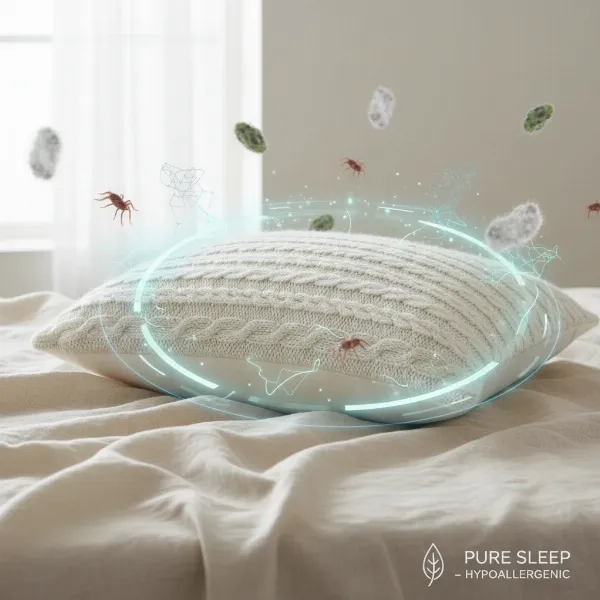
Do you ever wake up feeling unrested, with a stiff neck or aching shoulders? The culprit might just be your pillow. As Lan, the admin of bedpillowsreview.com, with over a decade of experience reviewing hundreds of pillows, I understand the critical role a good pillow plays in achieving restorative sleep and overall well-being. Selecting the right bed pillow, whether it’s filled with natural down or a down alternative, is a pivotal decision that can dramatically enhance your sleep quality and improve your health. This comprehensive guide will share my insights and expertise, helping you navigate the choices and find the pillow that perfectly suits your unique needs.
Bed Pillows: Overview and Benefits
A bed pillow is far more than just a headrest; it’s a fundamental component of a healthy sleep environment. Its primary function is to support your head and neck, maintaining proper spinal alignment throughout the night. Without adequate support, your muscles can strain, leading to discomfort, pain, and disrupted sleep.
The market offers a diverse range of pillow fills, each with distinct characteristics. While synthetic options have grown in popularity, natural fills like down have been cherished for centuries. Choosing an appropriate pillow can significantly improve your sleep quality by reducing tossing and turning, alleviating neck and shoulder pain, and ensuring your spine remains in a neutral position. This support is crucial not only for comfort but also for preventing long-term orthopedic issues.
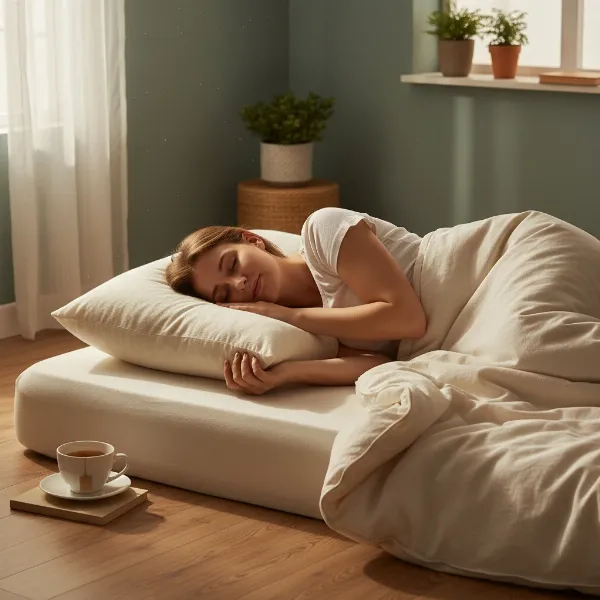 A person sleeping peacefully on a comfortable bed pillow, illustrating proper spinal alignment.
Popular Types of Bed Pillows: Down vs. Down Alternative
When it comes to the most popular pillow fills, down and down alternative consistently top the list. While both aim to provide a soft and supportive sleeping surface, their origins, materials, and performance vary significantly. Understanding these differences is key to making an informed decision.
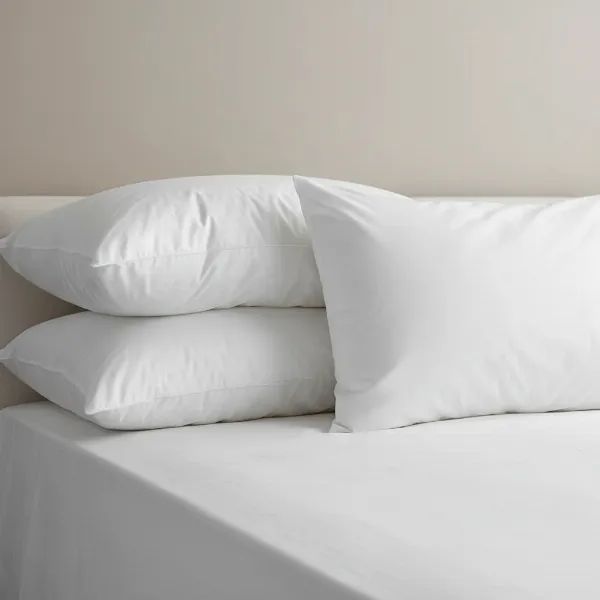 Side-by-side comparison of a natural down pillow and a synthetic down alternative pillow.
Down Pillows
Down refers to the soft, fluffy clusters found underneath the tougher feathers of ducks and geese. These natural insulators keep birds warm and provide exceptional comfort in bedding. Down pillows are prized for their unparalleled softness, lightweight feel, and ability to conform to your head and neck.
Pros:
- Exceptional Softness and Loft: Down provides a cloud-like softness that is hard to replicate.
- Excellent Insulation: It’s an excellent insulator, offering warmth without excessive weight, and is surprisingly breathable.
- Durability: High-quality down pillows can last 10-15 years, or even up to 20 years with proper care, making them a long-term investment.
- Breathability: Natural down is inherently light and airy, allowing good airflow.
Cons:
- Higher Cost: Due to the natural sourcing and processing, down pillows are generally more expensive.
- Allergen Potential: While many down products are processed to be hypoallergenic, some individuals may still experience allergic reactions to the natural material.
- Maintenance: Down pillows often require professional cleaning or careful at-home spot cleaning and airing.
|
Our Picks for the Best Bed pillows in 2026
As an Amazon Associate I earn from qualifying purchases.
|
||
| Num | Product | Action |
|---|---|---|
| 1 | Utopia Bedding Bed Pillows for Sleeping Queen Size (Blue), Set of 2, Soft & Fluffy Pillow with Down Alternative Filling, Cooling, Hotel Quality, Gusseted Pillow for Back, Stomach or Side Sleepers |

|
| 2 | Goose Feather Down Pillow Queen Size Set of 2, Hotel Collection Bed Pillows for Sleeping, 2 Pack, Down Surrounded Soft Medium Firm Pillows for Side Back Sleepers 20 x 30 in. |
|
| 3 | Utopia Bedding Bed Pillows for Sleeping Queen Size (White), Set of 2, Soft & Fluffy Pillow with Down Alternative Filling, Cooling, Hotel Quality, Gusseted Pillow for Back, Stomach or Side Sleepers |
|
| 4 | Amazon Basics Down Alternative Pillows for Stomach and Back Sleepers, Soft Density, Standard, Pack of 2, White, 26 in L x 20 in W |
|
| 5 | Utopia Bedding Bed Pillows for Sleeping Queen Size (Grey), Set of 2, Soft & Fluffy Pillow with Down Alternative Filling, Cooling, Hotel Quality, Gusseted Pillow for Back, Stomach or Side Sleepers |
|
| 6 | Amazon Basics Down Alternative Pillow for Back Side Sleepers, Medium Density, Standard Size, 26" x 20", 2-Pack, White |
|
| 7 | Beckham Hotel Collection Bed Pillows Standard/Queen Size Set of 2 - Original Soft Down Alternative Pillow for Sleeping - Soft Support for Back, Stomach or Side Sleepers |
|
| 8 | Amazon Basics Down-Alternative Pillows for Stomach and Back Sleepers, Soft Density, 20 x 36 inches, 2-Pack, White |
|
| 9 | Utopia Bedding Bed Pillows for Sleeping Queen Size (Black), Set of 2, Soft & Fluffy Pillow with Down Alternative Filling, Cooling, Hotel Quality, Gusseted Pillow for Back, Stomach or Side Sleepers |
|
| 10 | Utopia Bedding Bed Pillows for Sleeping Queen Size (Navy/White), Set of 2, Cooling Hotel Quality, Gusseted Pillow for Back, Stomach or Side Sleepers |
|
Down pillows are best suited for those who prioritize a luxurious feel, superior warmth, excellent breathability, and are looking for a durable, long-term bedding investment. They are ideal for sleepers who do not suffer from animal product allergies and appreciate the natural loft.
Down Alternative Pillows
Down alternative pillows are filled with synthetic materials designed to mimic the feel and performance of natural down. These fills typically consist of polyester fibers, often microfibers, which are spun and processed to create a soft, lofty texture. Some premium down alternatives, like PrimaLoft, offer a feel remarkably close to real down.
Pros:
- Hypoallergenic: Made from synthetic fibers, down alternative pillows are an excellent choice for allergy sufferers as they don’t trigger reactions to natural feathers.
- Affordability: They are generally more budget-friendly than genuine down pillows.
- Easy Care: Most down alternative pillows are machine washable and can be tumble dried, offering convenient maintenance.
- Vegan-Friendly: For those avoiding animal products, down alternative provides an ethical and compassionate choice.
- Customizable Firmness: Many down alternative pillows come with adjustable fill, allowing you to customize their firmness.
Cons:
- Less Lofty and Plush: While good, they may not achieve the exact same “cloud-like” softness and loft as high-quality natural down.
- Potentially Less Breathable: Some down alternatives can trap heat, leading to a warmer sleep, though advancements are improving breathability.
- Shorter Lifespan: They typically last 3-5 years, which is less durable than well-maintained down pillows.
- Can Be Heavier: To achieve a similar loft to down, more synthetic fill may be needed, potentially resulting in a denser, heavier pillow.
Down alternative pillows are an excellent option for individuals with allergies, those on a tighter budget, or anyone seeking easy-to-care-for bedding. They are also ideal for vegan and animal-conscious consumers looking for a comfortable, animal-free sleep solution.
Comparing Down and Down Alternative Bed Pillows
To help you visualize the key distinctions, here’s a comprehensive comparison of down and down alternative pillows across various important factors:
| Feature | Down Pillows | Down Alternative Pillows |
|---|---|---|
| Material | Natural clusters from ducks or geese | Synthetic fibers (e.g., polyester, microfiber) |
| Loft & Softness | Exceptionally soft, plush, and lofty; cloud-like | Soft to medium, mimics down but can be denser |
| Warmth & Insulation | Excellent insulator, provides warmth naturally | Good insulation, can sometimes trap more heat |
| Breathability | Very breathable, promotes airflow | Varies, some can be less breathable than down |
| Hypoallergenic | Can cause allergies in sensitive individuals | Naturally hypoallergenic, ideal for allergy sufferers |
| Durability | 10-20 years with proper care | 3-5 years on average |
| Care Instructions | Often requires professional cleaning; spot clean | Usually machine washable and dryer-friendly |
| Price Range | Higher investment | More affordable |
| Ethical/Environmental | Requires responsible sourcing (e.g., RDS certified) | Synthetic materials, some made from recycled fibers |
Factors to Consider When Choosing Bed Pillows (Buying Guide)
Selecting the ideal pillow goes beyond just down versus down alternative. Your personal sleep habits and preferences play a crucial role in finding a pillow that supports optimal rest.
Sleeping Position
Your dominant sleeping position is perhaps the most critical factor in pillow selection.
- Side Sleepers: Need a firmer, higher-loft pillow to fill the gap between their head and shoulder, keeping the spine aligned. Both down and down alternative can work, with firmer down options or well-filled down alternatives being suitable.
- Back Sleepers: Require a medium-loft pillow that supports the natural curve of the neck without pushing the head too far forward. A medium-fill down pillow or a moderately filled down alternative is often a good fit.
- Stomach Sleepers: Typically need a soft, low-loft pillow to minimize neck strain. Some stomach sleepers may even prefer no pillow at all. A soft, flatter down pillow or a thinly filled down alternative would be appropriate.
Pillow Loft
Pillow loft refers to its height. The right loft ensures your head and neck are aligned with your spine. Too high, and your neck can bend uncomfortably; too low, and it can slouch. Consider your body type and mattress firmness; a softer mattress may allow you to sink in more, requiring a slightly lower loft pillow.
Material Sensitivities
For individuals with allergies, down alternative is often the safest bet due to its synthetic, hypoallergenic nature. However, if you are not allergic to down, many modern down pillows are processed to be ultra-clean and hypoallergenic, significantly reducing the risk of allergic reactions. Always check for certifications like “hypoallergenic” or “Responsibly Sourced Down (RDS).”
Pillow Firmness
The firmness of your pillow contributes directly to spinal support. A pillow that’s too soft won’t provide adequate support, while one that’s too firm can cause pressure points. Down pillows are typically softer, but their fill power can influence firmness. Down alternative pillows can be manufactured in various firmness levels, from soft to extra-firm, often adjustable by adding or removing fill.
Budget
Down pillows represent a more significant initial investment but often boast a longer lifespan. Down alternative pillows are more affordable upfront. When budgeting, consider the pillow’s expected lifespan and maintenance costs. A more expensive down pillow might offer better long-term value if cared for properly.
Ethical & Environmental Considerations
For down, look for certifications like the Responsible Down Standard (RDS), which ensures that down and feathers come from animals that have not been subjected to unnecessary harm. For down alternative, consider products made from recycled materials or those with certifications for sustainable manufacturing practices.
Top Picks – Recommended Bed Pillows
Choosing the “best” pillow is deeply personal, but based on the criteria above, here’s what to look for:
- For Unmatched Luxury & Warmth: Opt for a high-fill-power white goose down pillow. These provide superior insulation, breathability, and a plush feel.
- For Allergy Sufferers & Easy Care: A premium down alternative pillow with a washable cover and adjustable fill is an excellent choice. Look for microgel or siliconized fiber fills for the closest feel to down.
- For Side Sleepers Needing Support: Seek a firm to medium-firm pillow with a higher loft (typically 5 inches or more). Both down and down alternative can work, but ensure the down option has a good fill power for adequate support.
- For Back Sleepers: A medium-loft, medium-firm pillow is ideal. Look for down pillows with moderate fill or down alternatives designed for balanced support.
- For Stomach Sleepers: A soft, very low-loft pillow (2-3 inches) is essential to prevent neck hyperextension. A soft down pillow or a lightly filled down alternative would be appropriate.
- For Budget-Conscious Shoppers: High-quality down alternative pillows offer excellent comfort and support at a fraction of the cost of natural down, without compromising too much on feel.
Remember, the goal is to find a pillow that promotes neutral spinal alignment and personal comfort. Trying different options, if possible, is always recommended.
How to Clean and Maintain Your Bed Pillows
Proper care extends the life and maintains the performance of your bed pillows.
Down Pillows:
Down pillows often require more specialized care. Most manufacturers recommend professional dry cleaning every 1-2 years to preserve the delicate down clusters and ensure thorough cleaning. Between professional cleanings, you can spot clean small stains with a mild detergent and thoroughly air out your pillow in a well-ventilated area, preferably in sunlight, to refresh it and remove moisture. Using a pillow protector is highly recommended to keep your down pillow cleaner for longer.
Down Alternative Pillows:
One of the major advantages of down alternative pillows is their ease of care. Most can be machine washed at home. Always check the care label first, but typically they can be washed in a large-capacity washing machine on a gentle cycle with mild detergent and cold or warm water. To dry, tumble dry on a low heat setting, ideally with dryer balls, to prevent clumping and ensure the fill is completely dry. Ensure the pillow is entirely dry before putting it back on your bed to prevent mold or mildew growth.
“A well-maintained pillow isn’t just about hygiene; it’s about preserving the integrity of the fill and the support it offers, directly impacting your sleep health.” – Lan, Admin of bedpillowsreview.com
Conclusion
The journey to finding your perfect bed pillow, whether down or down alternative, is a personal one, deeply intertwined with your unique sleep habits and preferences. Down pillows offer an unparalleled blend of luxurious softness, breathability, and lasting durability, making them a worthwhile investment for those seeking natural comfort and warmth. Down alternative pillows, on the other hand, provide an excellent hypoallergenic, affordable, and easy-to-care-for solution, perfect for allergy sufferers, those on a budget, or anyone preferring synthetic materials.
Ultimately, the “right” pillow is the one that provides optimal support for your head and neck, aligns your spine, and allows you to wake up feeling refreshed and pain-free. By considering your sleeping position, loft and firmness preferences, potential allergies, and budget, you can confidently choose between down and down alternative to unlock the deep, restorative sleep you deserve. What step will you take today to upgrade your sleep sanctuary?
Frequently Asked Questions
Is down alternative as good as down for pillows?
Down alternative pillows are excellent at mimicking the feel of down and offer superb comfort, especially for those with allergies or on a budget. While they might not perfectly replicate the extreme lightness and durability of high-quality natural down, modern down alternatives provide comparable softness, support, and warmth, making them a very “good” alternative for many sleepers.
Can down alternative pillows be washed?
Yes, most down alternative pillows are designed for easy home care and are machine washable. Always check the specific care instructions on your pillow’s label, but typically they can be washed on a gentle cycle and tumble dried on low heat, often with dryer balls to maintain their fluffiness.
What is the best pillow for side sleepers: down or down alternative?
For side sleepers, the best pillow, whether down or down alternative, needs to offer a higher loft and firm to medium-firm support to fill the gap between the head and shoulder, maintaining spinal alignment. Look for high-fill-power down pillows or densely packed down alternative options specifically designed for side sleeping.
How long do down vs. down alternative pillows last?
High-quality down pillows are renowned for their longevity, often lasting 10 to 20 years with proper care and maintenance, including professional cleaning. Down alternative pillows typically have a shorter lifespan, usually needing replacement every 3 to 5 years, depending on their quality and how well they are cared for.
Are down pillows ethical?
The ethical sourcing of down is a valid concern. To ensure down is responsibly sourced, look for products certified by standards like the Responsible Down Standard (RDS). This certification guarantees that the down and feathers come from birds that have not been subjected to force-feeding or live-plucking.