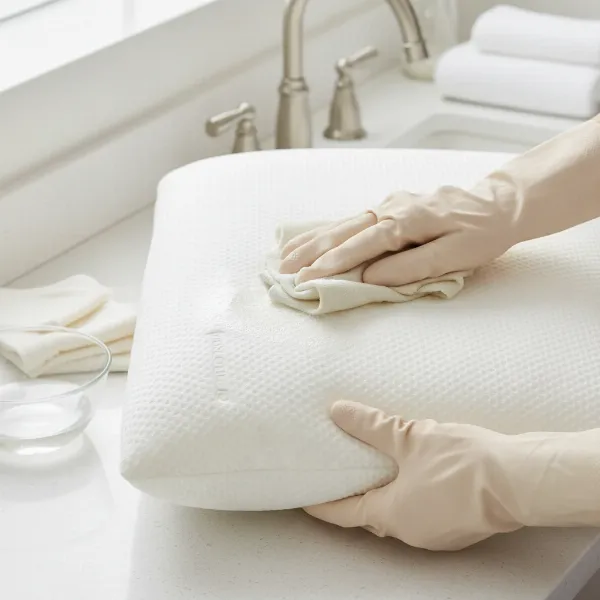
Waking up refreshed should be the norm, but an unpleasant odor from your bed pillow can quickly turn your serene sleep sanctuary into a source of discomfort. Over time, your beloved pillow can accumulate an array of culprits that contribute to persistent, stale smells, impacting not just your sleep quality but potentially your health. If you’ve ever wondered why your bed pillow smells bad and how to reclaim its freshness, you’re in the right place. This comprehensive guide will explore the common reasons behind those unwelcome odors and provide practical, effective methods to deodorize your bed pillow, ensuring a cleaner, healthier, and more restful night’s sleep.
Why Do Your Bed Pillows Develop Unpleasant Odors?
Your bed pillow, seemingly innocuous, is a hub of activity while you sleep, making it susceptible to absorbing various elements that lead to foul odors. Understanding these causes is the first step toward effective deodorization.
The primary reason your bed pillow might smell bad is the accumulation of bodily fluids and oils. We all sweat, drool, and shed skin cells throughout the night, even unknowingly. These organic materials seep into the pillow’s fibers, providing a fertile ground for bacteria and yeast to flourish, resulting in a musty or sour scent. This is a natural process, but one that requires regular intervention.
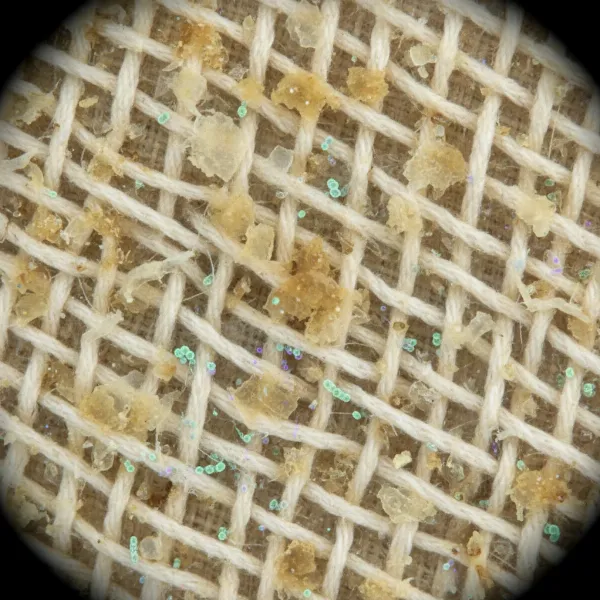 Close-up of a dirty pillow with microscopic bacteria and sweat causing yellow stains and odors
Mold and mildew growth also play a significant role, especially in humid environments or if pillows don’t dry properly. When moisture from sweat or spills becomes trapped within the pillow, it creates an ideal breeding ground for these fungi, which produce distinct, earthy, and stale odors. If left untreated, mold can not only smell bad but also pose health risks.
Furthermore, your diet can subtly influence your body odor, which then transfers to your pillow. Consuming certain foods, like spicy dishes or garlic, or even alcohol, can lead to stronger body odors that seep into bedding materials. Over time, these subtle transfers can contribute to a noticeable and persistent smell in your pillow.
The material of your bed pillow can also exacerbate odor retention. Porous materials, such as some memory foam pillows, can trap heat, moisture, and body oils more readily than others. This inherent structure can make them more prone to developing and retaining unpleasant smells, as they don’t allow for as much ventilation or quick drying.
Finally, infrequent cleaning is a major contributor. Pillowcases offer some protection, but they don’t prevent everything from seeping through. Without regular washing or deodorizing, the build-up of sweat, oils, and microscopic organisms becomes inevitable, leading to a strong, off-putting smell that can disrupt your sleep and overall comfort.
The Impact of a Smelly Bed Pillow on Your Sleep and Health
A bed pillow that smells bad is more than just an annoyance; it can significantly impact your sleep quality and overall health. The continuous exposure to unpleasant odors can disrupt your sleep cycle, making it harder to fall asleep, stay asleep, and achieve deep, restorative rest.
Beyond immediate discomfort, a smelly pillow can trigger or worsen allergies and respiratory issues. The presence of dust mites, mold spores, and bacteria thriving in a dirty pillow can irritate airways, leading to sneezing, coughing, watery eyes, and even asthma flare-ups. This is particularly concerning for individuals with pre-existing sensitivities.
From a hygiene perspective, sleeping on a foul-smelling pillow is simply unsanitary. It suggests an accumulation of sweat, dead skin cells, and microbial life, none of which contribute to a clean sleeping environment. A fresh, clean pillow, on the other hand, promotes better personal hygiene and a more inviting bed.
How to Deodorize Your Bed Pillows: Practical Solutions
Once you’ve identified the cause, it’s time to tackle the smell. There are several effective methods to deodorize your bed pillows, ranging from thorough washing to quick spot treatments, depending on the pillow type and odor severity.
Machine Washing (for suitable pillows)
|
Our Picks for the Best Bed pillows in 2026
As an Amazon Associate I earn from qualifying purchases.
|
||
| Num | Product | Action |
|---|---|---|
| 1 | Amazon Basics Down-Alternative Pillows for Stomach and Back Sleepers, Soft Density, 20 x 36 inches, 2-Pack, White |

|
| 2 | Amazon Basics Down Alternative Pillow for Back Side Sleepers, Medium Density, Standard Size, 26" x 20", 2-Pack, White |
|
| 3 | Utopia Bedding Bed Pillows for Sleeping Queen Size (Grey), Set of 2, Soft & Fluffy Pillow with Down Alternative Filling, Cooling, Hotel Quality, Gusseted Pillow for Back, Stomach or Side Sleepers |
|
| 4 | Utopia Bedding Bed Pillows for Sleeping Queen Size (Black), Set of 2, Soft & Fluffy Pillow with Down Alternative Filling, Cooling, Hotel Quality, Gusseted Pillow for Back, Stomach or Side Sleepers |
|
| 5 | Goose Feather Down Pillow Queen Size Set of 2, Hotel Collection Bed Pillows for Sleeping, 2 Pack, Down Surrounded Soft Medium Firm Pillows for Side Back Sleepers 20 x 30 in. |
|
| 6 | Amazon Basics Down Alternative Pillows for Stomach and Back Sleepers, Soft Density, Standard, Pack of 2, White, 26 in L x 20 in W |
|
| 7 | Utopia Bedding Bed Pillows for Sleeping Queen Size (Blue), Set of 2, Soft & Fluffy Pillow with Down Alternative Filling, Cooling, Hotel Quality, Gusseted Pillow for Back, Stomach or Side Sleepers |
|
| 8 | Beckham Hotel Collection Bed Pillows Standard/Queen Size Set of 2 - Original Soft Down Alternative Pillow for Sleeping - Soft Support for Back, Stomach or Side Sleepers |
|
| 9 | Utopia Bedding Bed Pillows for Sleeping Queen Size (Navy/White), Set of 2, Cooling Hotel Quality, Gusseted Pillow for Back, Stomach or Side Sleepers |
|
| 10 | Utopia Bedding Bed Pillows for Sleeping Queen Size (White), Set of 2, Soft & Fluffy Pillow with Down Alternative Filling, Cooling, Hotel Quality, Gusseted Pillow for Back, Stomach or Side Sleepers |
|
For many types of bed pillows, machine washing is the most effective way to eliminate deep-seated odors and refresh them entirely. This method is generally suitable for down, feather, synthetic, and some cotton pillows. Always check the care label first, as memory foam and latex pillows typically cannot be machine washed.
To wash machine-friendly pillows, use a mild detergent and, for an extra deodorizing boost, add a cup of white vinegar to the wash cycle. Wash two pillows at a time to balance the load and ensure thorough cleaning. After washing, tumble dry on a low heat setting, adding a few clean tennis balls to the dryer. The tennis balls will help fluff the pillows and prevent clumping of the filling, ensuring they dry evenly and completely. It is crucial to ensure your pillows are completely dry before putting them back on your bed, as any residual moisture can lead to mold and mildew.
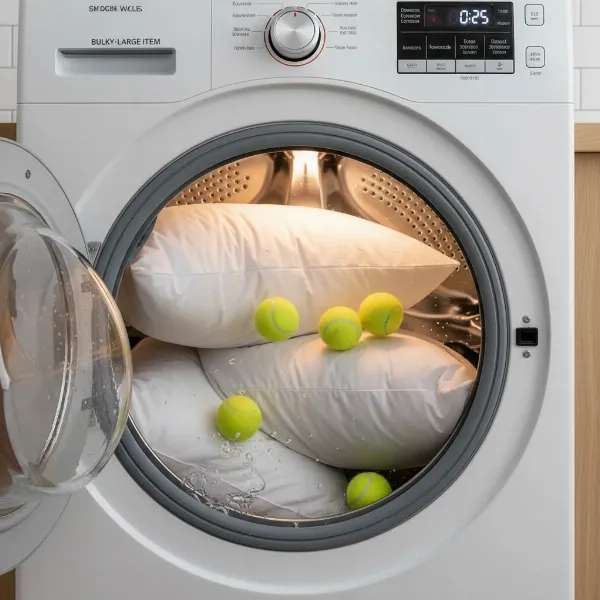 Pillows being machine washed with tennis balls in a dryer to fluff and dry them evenly
Baking Soda Deodorization (for all pillow types)
Baking soda is a natural, versatile deodorizer that works wonders on all pillow types, including those that cannot be machine washed. It effectively absorbs odors and helps combat mold and mildew.
To use this method, first remove the pillowcase. Sprinkle a generous amount of baking soda evenly over the entire surface of your bed pillow. Allow it to sit for at least an hour, or ideally, overnight, to give the baking soda time to draw out and neutralize odors. For particularly strong smells, you can rub the baking soda lightly into the fabric. After the waiting period, use a vacuum cleaner with an upholstery attachment to thoroughly vacuum up all the baking soda. This process not only deodorizes but also helps lift away any loose debris.
Harnessing the Power of Sunlight and Fresh Air
Sunlight is a natural disinfectant and powerful deodorizer, thanks to its UV rays. On a warm, sunny day, take your bed pillows outdoors and lay them in direct sunlight for a few hours. Flip them periodically to ensure both sides are exposed.
The sun’s ultraviolet light effectively kills odor-causing bacteria, dust mites, and mold spores, while the fresh air circulation helps to air out any trapped smells. This method is simple, free, and incredibly effective for refreshing pillows between washes. However, a crucial caveat: do not expose latex pillows to direct sunlight, as UV rays can degrade the material.
Vinegar Spray for Stubborn Smells
White vinegar is a cleaning powerhouse, renowned for its acetic acid content that kills odor-causing bacteria and breaks down unpleasant smells. It’s an excellent option for spot-treating areas or for a quick refresh without full washing.
Create a deodorizing spray by mixing equal parts white vinegar and cool water in a spray bottle. Lightly mist the solution over both sides of your bed pillow, being careful not to saturate it. The vinegar scent might be strong initially, but it will dissipate completely as the pillow air dries. Allow the pillow to air dry fully in a well-ventilated area before putting the pillowcase back on. This method is particularly useful for memory foam and latex pillows that cannot be machine washed.
Essential Oil Sprays for a Fresh Scent
While essential oils don’t deodorize in the same way baking soda or vinegar do, they can add a pleasant, fresh scent to your bed pillow once odors have been neutralized. Choose calming scents like lavender, chamomile, or eucalyptus.
To create an essential oil spray, add 10-15 drops of your preferred essential oil to a spray bottle filled with water. Shake well before each use. Lightly mist the pillow (after it has been deodorized by other methods and is dry), allowing it to air dry for a few minutes before replacing the pillowcase. This can provide a subtle, fresh aroma, but it’s important to remember it masks rather than eliminates odors.
When to Replace Your Bed Pillow
Sometimes, a bed pillow is beyond deodorizing, and replacement is the best solution. Most pillows have a lifespan of 1-2 years. If your pillow is older than this, has lost its shape and support, or if odors persist even after thorough cleaning, it’s likely time for a new one. An old pillow can harbor excessive allergens and bacteria, negatively impacting your sleep and health regardless of cleaning efforts.
Preventing Future Odors: Proactive Bed Pillow Care
Maintaining your bed pillow’s freshness is an ongoing process. Incorporating a few simple habits into your routine can significantly prevent future odors from developing.
One of the most effective preventive measures is using a high-quality pillow protector. These covers act as a barrier, preventing sweat, oils, skin cells, and dust mites from penetrating the actual pillow. Look for waterproof and breathable options for maximum protection and comfort. Regularly washing your pillow protector, ideally weekly or bi-weekly, will ensure your pillow stays cleaner for longer.
Changing your pillowcases frequently is another simple yet crucial step. Pillowcases absorb much of the nightly sweat and oil, so swapping them out every few days, or at least once a week, will drastically reduce the amount of grime that reaches your pillow. Fresh pillowcases also contribute to a more pleasant sleeping experience.
Proper drying and ventilation are key, especially if you tend to sweat at night or live in a humid climate. After waking, don’t immediately cover your bed. Pull back your duvet and allow your bed pillow to air out for a while each morning. This helps any trapped moisture evaporate, reducing the risk of mold and mildew growth and keeping your bed pillow fresh.
When choosing new bed pillows, consider materials that are naturally more breathable and resistant to moisture and allergens. While memory foam can be comfortable, some types are denser and can trap heat and moisture. Latex, down, or certain synthetic fills can offer better breathability and may be less prone to retaining odors, particularly for hot sleepers.
“A fresh pillow isn’t just about comfort; it’s a cornerstone of sleep hygiene. Ignoring pillow odors is ignoring your health.” – Dr. Eleanor Vance, Sleep Hygiene Specialist
Conclusion
A smelly bed pillow can transform your peaceful slumber into an uncomfortable night, impacting both your rest and well-being. From the accumulation of body oils and sweat to the sneaky growth of mold and mildew, understanding why your bed pillow smells bad is the first step towards a fresher sleep. Thankfully, with a combination of thorough cleaning methods like machine washing (for suitable types), baking soda treatments, and the natural power of sunlight, you can effectively deodorize your bed pillow. Beyond cleaning, proactive measures such as using pillow protectors and ensuring regular ventilation are vital for preventing future odors. By adopting these simple yet powerful habits, you can ensure your bed pillow remains a clean, inviting haven for restorative sleep. So, when was the last time you truly gave your bed pillow the care it deserves?
Frequently Asked Questions
How often should I wash my bed pillow?
Most bed pillows (machine-washable types) should be washed every three to six months to remove accumulated sweat, oils, and allergens. Pillow protectors and pillowcases, however, should be washed much more frequently, ideally weekly or bi-weekly, to maintain freshness.
Can I wash a memory foam pillow?
Generally, no. Memory foam and latex pillows should not be machine washed or submerged in water as it can damage the material and make them impossible to dry properly. Instead, spot clean with a mild detergent and water solution, and use methods like baking soda or sunlight for deodorizing.
What causes yellow stains and smell on pillows?
Yellow stains and accompanying smells on bed pillows are typically caused by the accumulation of sweat, body oils, saliva, and sometimes hair products. These bodily fluids seep through pillowcases and protectors, building up over time and leading to discoloration and unpleasant odors.
Is it okay to put a smelly pillow in the dryer?
Only if the pillow is machine-washable and designed to be tumble-dried (check the care label). For suitable pillows, the dryer on a low heat setting can help eliminate moisture and some odors. However, for non-washable pillows or those with unknown care instructions, air-drying in sunlight is a safer alternative to avoid damage.