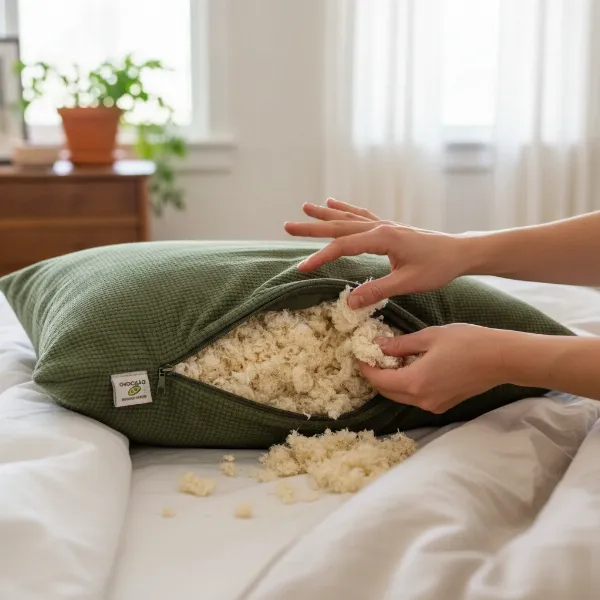
In a world increasingly turning towards natural and sustainable choices, kapok fiber emerges as a remarkable material offering a refreshing alternative to conventional fillings. Often dubbed “silk-cotton” due to its luxurious feel and plant-based origin, kapok is more than just a soft stuffing; it’s a testament to nature’s ingenuity. This unique fiber, derived from the majestic kapok tree, boasts a combination of characteristics that make it an exceptional choice for everything from bedding to outdoor gear. Delving into kapok fiber reveals not only its impressive properties but also its significant role in promoting a healthier planet and a more comfortable lifestyle.
What is Kapok Fiber? Origin and Characteristics
Kapok fiber originates from the seed pods of the Ceiba pentandra tree, a towering species found predominantly in the tropical rainforests of Southeast Asia, Central America, and Africa. Known by various names such as Java cotton or ceiba, the kapok tree yields these fluffy, yellowish-cream fibers without requiring the tree itself to be cut down. The harvesting process involves collecting the mature pods, a sustainable practice that preserves the tree and its surrounding ecosystem.
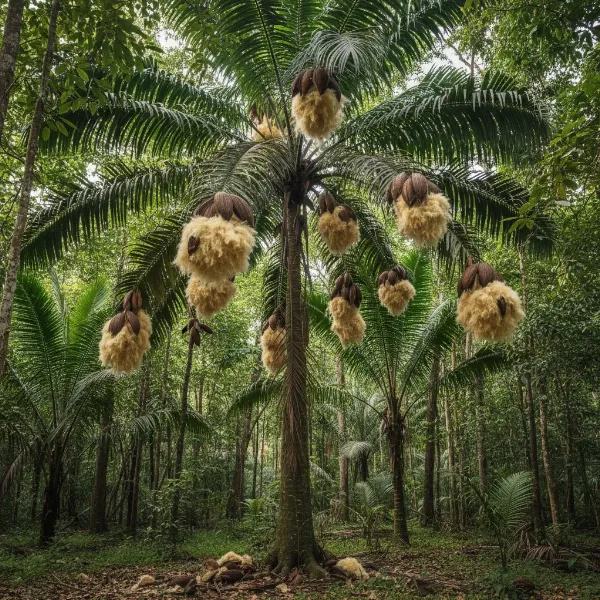 A tall kapok tree with open seed pods, illustrating sustainable fiber harvesting in a rainforest.
Once extracted, kapok fiber presents a distinct appearance and texture. It is notably silky, soft, and voluminous, closely resembling the delicate fluff of cotton or the luxurious feel of silk. However, kapok distinguishes itself with a unique hollow structure that contributes to its extraordinary lightness and other remarkable attributes. Unlike many fibers, kapok possesses a natural waxy coating, giving it a subtle sheen and contributing to its practical benefits.
The Unique Properties and Benefits of Kapok Fiber
Kapok fiber’s distinctive cellular structure and natural composition endow it with a range of beneficial properties, making it an excellent material for various applications.
Lightweight and Soft
|
Our Picks for the Best Bed pillows in 2026
As an Amazon Associate I earn from qualifying purchases.
|
||
| Num | Product | Action |
|---|---|---|
| 1 | Utopia Bedding Bed Pillows for Sleeping Queen Size (Navy/White), Set of 2, Cooling Hotel Quality, Gusseted Pillow for Back, Stomach or Side Sleepers |

|
| 2 | Amazon Basics Down-Alternative Pillows for Stomach and Back Sleepers, Soft Density, 20 x 36 inches, 2-Pack, White |
|
| 3 | Utopia Bedding Bed Pillows for Sleeping Queen Size (Black), Set of 2, Soft & Fluffy Pillow with Down Alternative Filling, Cooling, Hotel Quality, Gusseted Pillow for Back, Stomach or Side Sleepers |
|
| 4 | Goose Feather Down Pillow Queen Size Set of 2, Hotel Collection Bed Pillows for Sleeping, 2 Pack, Down Surrounded Soft Medium Firm Pillows for Side Back Sleepers 20 x 30 in. |
|
| 5 | Amazon Basics Down Alternative Pillow for Back Side Sleepers, Medium Density, Standard Size, 26" x 20", 2-Pack, White |
|
| 6 | Utopia Bedding Bed Pillows for Sleeping Queen Size (White), Set of 2, Soft & Fluffy Pillow with Down Alternative Filling, Cooling, Hotel Quality, Gusseted Pillow for Back, Stomach or Side Sleepers |
|
| 7 | Utopia Bedding Bed Pillows for Sleeping Queen Size (Grey), Set of 2, Soft & Fluffy Pillow with Down Alternative Filling, Cooling, Hotel Quality, Gusseted Pillow for Back, Stomach or Side Sleepers |
|
| 8 | Utopia Bedding Bed Pillows for Sleeping Queen Size (Blue), Set of 2, Soft & Fluffy Pillow with Down Alternative Filling, Cooling, Hotel Quality, Gusseted Pillow for Back, Stomach or Side Sleepers |
|
| 9 | Beckham Hotel Collection Bed Pillows Standard/Queen Size Set of 2 - Original Soft Down Alternative Pillow for Sleeping - Soft Support for Back, Stomach or Side Sleepers |
|
| 10 | Amazon Basics Down Alternative Pillows for Stomach and Back Sleepers, Soft Density, Standard, Pack of 2, White, 26 in L x 20 in W |
|
Kapok is renowned for being one of the lightest natural fibers available, often eight times lighter than cotton by volume. Its airy, fluffy texture provides a cloud-like softness, offering a gentle yet supportive feel ideal for comfort products. This lightness ensures products filled with kapok remain easily maneuverable and soft to the touch.
Hollow Structure and Thermal Insulation
The secret to kapok’s impressive performance lies in its hollow core, which accounts for up to 80% of its volume. This unique architecture allows kapok to trap a significant amount of air, making it an exceptional thermal insulator. Products filled with kapok naturally regulate temperature, keeping you warm in cooler conditions and comfortably cool when it’s hot, much like high-quality silk or down.
Hypoallergenic and Antimicrobial
For individuals sensitive to allergens, kapok offers a naturally clean solution. Its inherent properties include resistance to common household allergens such as dust mites, mold, and mildew. This is partly due to a natural antiseptic found within the fiber and its waxy surface, which naturally repels moisture, creating an unfavorable environment for microbial growth. This makes kapok an excellent choice for those seeking a healthier sleep environment.
Water-Resistant and Buoyant
The natural waxy coating on kapok fibers renders them water-resistant, allowing them to dry quickly and resist moisture absorption. This hydrophobic quality, combined with its hollow, air-filled structure, gives kapok remarkable buoyancy. Historically, kapok was a primary filling for life preservers and flotation devices, capable of supporting many times its own weight in water.
Eco-Friendly and Sustainable
Kapok stands out as a highly sustainable fiber. The trees grow wild in rainforests without the need for extensive irrigation, harmful pesticides, or synthetic fertilizers, significantly reducing its environmental impact compared to conventional crops like cotton. The harvesting process is non-destructive, relying on collecting seed pods, ensuring the longevity of the trees and the preservation of rainforest ecosystems. Furthermore, kapok fiber is 100% natural and biodegradable, decomposing harmlessly back into the earth, unlike synthetic alternatives that persist for centuries. Choosing kapok supports sustainable forestry practices and a reduced carbon footprint.
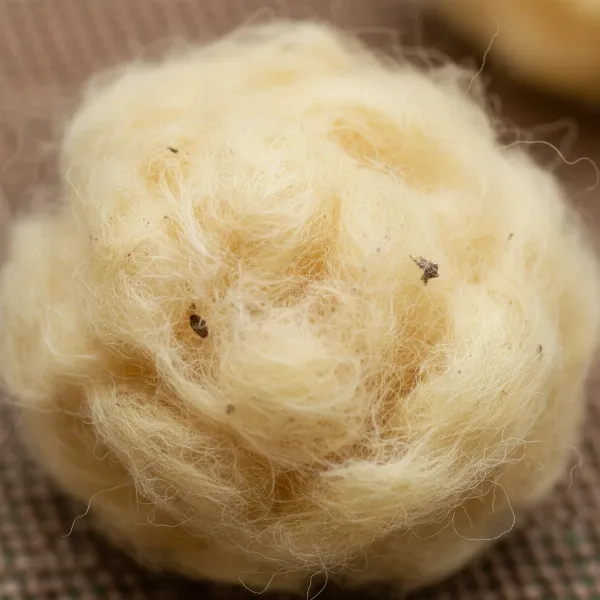 Close-up of raw kapok fibers, emphasizing their natural, lightweight, and sustainable qualities for eco-friendly products.
Kapok Fiber vs. Other Popular Fillings: A Comparative Look
When considering filling materials, kapok offers a compelling profile compared to other common options. Understanding these differences can help you make an informed choice that aligns with your comfort preferences and environmental values.
Kapok vs. Cotton
While both are plant-based, kapok is significantly lighter and softer than cotton. Kapok’s hollow fibers offer superior breathability and insulation. From an environmental perspective, kapok is far more sustainable, requiring minimal water and no chemical inputs, whereas conventional cotton farming is notoriously resource-intensive. However, cotton excels in strength and can be easily spun into durable fabrics for weaving, a characteristic kapok lacks due to its brittle nature.
Kapok vs. Down/Feather
Kapok shares a similar soft, fluffy, and moldable feel with down and feathers, making it an excellent vegan alternative. Unlike down, kapok is hypoallergenic by nature and doesn’t involve animal products, appealing to ethical consumers and those with sensitivities to animal dander. Kapok also tends to maintain its loft better than some down fillings, resisting clumping.
Kapok vs. Synthetic Fibers (e.g., Polyester)
Synthetic fibers like polyester are known for their consistency, durability, and low cost. However, kapok offers a completely natural, chemical-free, and biodegradable alternative. While synthetics may boast superior compression resistance over prolonged periods, kapok provides inherent breathability, temperature regulation, and hypoallergenic properties that synthetics often mimic through chemical treatments. The environmental cost of producing and disposing of synthetic fibers is also substantially higher.
Comparative Table of Filling Materials
| Feature | Kapok Fiber | Cotton | Down/Feather | Polyester (Synthetic) |
|---|---|---|---|---|
| Lightness | Extremely lightweight (8x lighter than cotton) | Moderate | Very lightweight | Moderate to lightweight |
| Softness | Silky soft, fluffy | Soft, but can be dense | Very soft, luxurious | Soft, can be engineered |
| Breathability | Excellent (hollow fibers) | Good | Excellent | Variable (can trap heat) |
| Insulation | Excellent (temperature regulating) | Moderate | Excellent | Moderate to good |
| Hypoallergenic | Naturally hypoallergenic, dust mite resistant | Can harbor dust mites, prone to mold | Can trigger allergies (dander) | Can be hypoallergenic (engineered), chemical use |
| Sustainability | Highly sustainable, biodegradable, low water | Moderate (high water/pesticide for conventional) | Ethically complex (animal-derived) | Low (petroleum-based, non-biodegradable) |
| Durability | Good, resilient, can lose loft over time | Good, can clump | Good, can flatten, requires regular fluffing | Excellent, consistent, long-lasting |
| Care | Spot clean, air in sun | Machine washable | Professional cleaning advised | Machine washable |
Common Applications of Kapok Fiber
The versatile properties of kapok fiber make it suitable for a wide array of products, particularly where comfort, lightness, and natural attributes are valued.
Bedding and Pillows
Kapok is an increasingly popular filling for pillows, mattresses, and comforters. Its soft, supportive nature creates a “cloud-like” sleeping experience, while its breathability ensures a cool and comfortable sleep environment. For those who prefer to customize their pillow’s firmness, kapok fill can often be adjusted by adding or removing fiber.
Mattresses and Upholstery
Beyond pillows, kapok is used as a natural comfort layer in mattresses, providing gentle support and plushness. It also serves as an eco-friendly stuffing for furniture upholstery, offering a sustainable alternative to synthetic foams.
Outdoor Gear
Historically, kapok’s exceptional buoyancy made it a vital component in life jackets and other flotation devices. While modern synthetics have largely replaced it in this sector, kapok remains a natural option for specialized outdoor gear where biodegradability and lightweight properties are desired.
Insulation and Soundproofing
The air-trapping capability of kapok’s hollow fibers makes it an effective material for both thermal and acoustic insulation. It can be found in natural insulation products and soundproofing applications, contributing to energy efficiency and quieter spaces.
Stuffed Toys
Kapok has a long tradition as a natural filling for stuffed animals and dolls. It provides a distinct feel that differs from modern polyester stuffing, appealing to those seeking traditional, chemical-free toys.
Choosing and Caring for Kapok Fiber Products
Integrating kapok fiber products into your home is a step towards more sustainable and comfortable living. Knowing how to choose and care for them ensures you get the most out of this remarkable natural material.
Buying Guide for Kapok Products
- Loft and Firmness: Kapok offers a unique balance of softness and support. Many kapok pillows come with zippers, allowing you to easily adjust the amount of fill to achieve your ideal loft and firmness for any sleeping position.
- Hypoallergenic Needs: If you suffer from allergies or sensitivities, kapok is an excellent choice due to its natural resistance to dust mites, mold, and mildew.
- Sustainability Preference: Opting for kapok aligns with a commitment to eco-conscious living, supporting rainforest preservation and reducing reliance on synthetic materials.
- Consider Your Budget: While kapok is a premium natural fiber, its cost can be surprisingly competitive with other high-quality natural fillings.
Maintenance and Care
Proper care can significantly extend the life and performance of your kapok fiber products.
“To maintain the plushness and hypoallergenic qualities of kapok, regular airing in direct sunlight is key. The sun’s UV rays naturally cleanse and re-fluff the fibers, keeping them fresh and buoyant.” – Lan, Admin of bedpillowsreview.com
- Fluff Regularly: Gently fluff your kapok pillows or cushions daily to redistribute the fibers and maintain their loft and shape.
- Spot Clean: For spills or stains, spot clean with a mild detergent and water. Avoid saturating the fiber completely.
- Air in Sunlight: Periodically place kapok products outdoors in direct sunlight for a few hours. This natural method helps to refresh the fibers, eliminate moisture, and naturally sanitize them.
- Use Protective Covers: Always use pillowcases, mattress protectors, or slipcovers to shield your kapok products from dirt and sweat, making maintenance easier.
- Avoid Machine Washing: Due to its delicate, hollow structure, kapok fiber is generally not suitable for machine washing, which can cause clumping and damage.
Conclusion
Kapok fiber truly stands as a luxurious yet sustainable marvel, offering an impressive array of benefits that position it as a superior “silk-cotton alternative.” From its unparalleled lightness and silky softness to its natural hypoallergenic and temperature-regulating properties, kapok enhances comfort while actively contributing to environmental well-being. By choosing kapok, you embrace a natural, biodegradable, and ethically harvested material that aligns with a greener lifestyle. As we continue to seek thoughtful, nature-inspired solutions, kapok fiber will undoubtedly play an increasingly vital role in shaping healthier and more sustainable choices for our homes and our planet. What role will kapok play in your sustainable living journey?
Frequently Asked Questions
Is Kapok fiber truly sustainable?
Yes, kapok fiber is considered highly sustainable. It is harvested from wild-growing trees in tropical rainforests without the need for irrigation, pesticides, or fertilizers. The harvesting process is non-destructive, involving the collection of seed pods, which helps preserve the trees and their ecosystems. Additionally, kapok is 100% natural and biodegradable.
How does kapok feel compared to down?
Kapok offers a feel very similar to that of down feathers. It is exceptionally soft, fluffy, and lightweight, providing a luxurious, moldable comfort that cradles the head and neck. For those seeking the plushness of down but prefer a plant-based, hypoallergenic, or vegan option, kapok is an excellent natural alternative.
Can kapok pillows be washed?
It is generally recommended to avoid machine washing kapok-filled products. The delicate, hollow fibers can clump and lose their loft when saturated. Instead, spot clean any spills with a mild detergent, and regularly air your kapok pillows in direct sunlight to refresh, de-clump, and naturally sanitize the fibers.
Is kapok fiber good for allergies?
Absolutely. Kapok fiber is naturally hypoallergenic. Its inherent properties include resistance to dust mites, mold, and mildew, primarily due to its natural antiseptic qualities and a waxy coating that repels moisture. This makes kapok an ideal choice for individuals who suffer from allergies or have sensitive skin, promoting a cleaner sleep environment.
What is the lifespan of kapok products?
With proper care, kapok fiber products can last for many years. Regular fluffing and airing in sunlight are crucial to maintain their loft and resilience. While kapok is durable, like all natural fibers, it may experience some compression over prolonged use. However, its longevity makes it a worthwhile investment for sustainable comfort.