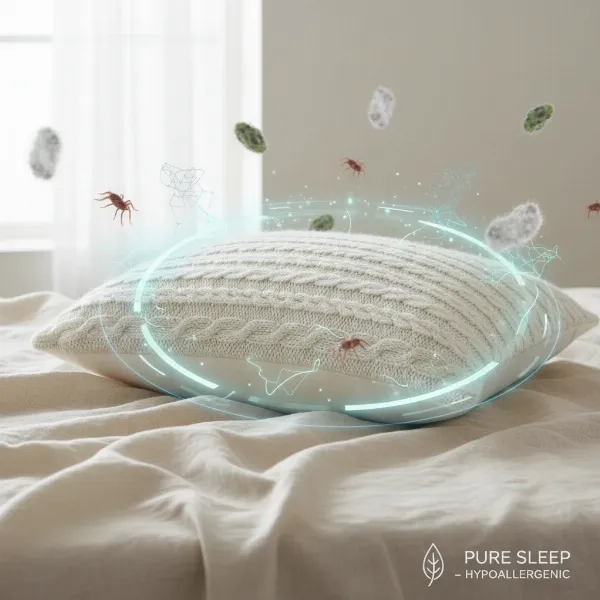
Waking up with a stuffy nose, itchy eyes, or a persistent cough can turn the promise of a restful night into a daily struggle. Often, the culprit is an invisible enemy lurking in your bedding: dust mites. These microscopic creatures and their waste products are a leading cause of indoor allergies and asthma symptoms. The question then becomes, can a special “hypoallergenic” pillow truly offer the sanctuary you need for a dust mite-free sleep? This article will delve into what hypoallergenic pillows are, how they work, their effectiveness, and the best practices to combat dust mites for improved sleep and overall well-being.
The Invisible Threat: Understanding Dust Mites and Allergies
Dust mites are tiny arachnids, invisible to the naked eye, that thrive in warm, humid environments and feed on shed human and pet skin flakes. They are not parasites and do not bite, but their fecal pellets and decaying body parts contain potent allergens that can trigger a range of symptoms. For allergy sufferers, exposure to these allergens can lead to sneezing, a runny or itchy nose, watery eyes, skin rashes, and even exacerbate asthma, causing wheezing and difficulty breathing.
Your pillow is a prime breeding ground for dust mites. It provides the ideal conditions of warmth, moisture from sweat, and a constant supply of dead skin cells. Disturbingly, after just two years of use, a significant portion of a pillow’s weight—up to 10%—can be composed of dust mites, their feces, and various molds and bacteria. This accumulation creates a concentrated allergen reservoir right where you rest your head, making an allergy-friendly sleep environment crucial.
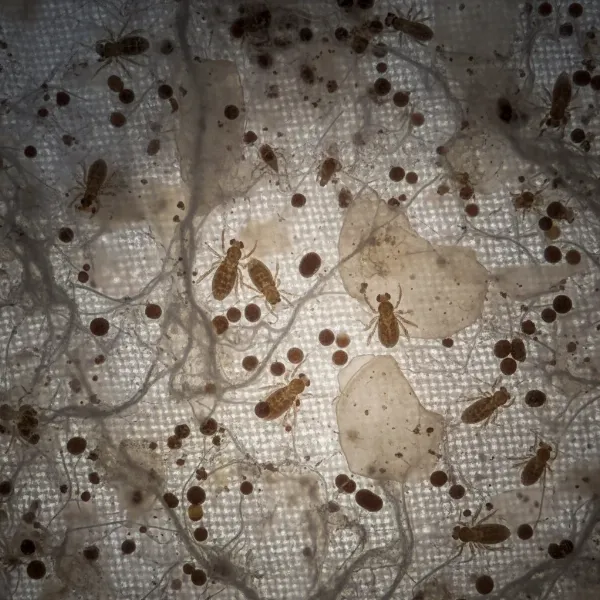 Close-up of a pillow surface with microscopic dust mites and allergens visible.
Hypoallergenic Pillows: What They Are and How They Work
A hypoallergenic pillow is designed to minimize the risk of allergic reactions by reducing or preventing exposure to common allergens like dust mites, mold, and pet dander. These pillows are crafted from materials that are less likely to harbor or attract such irritants, aiming to provide a cleaner and more comfortable sleeping surface for individuals with allergies or asthma.
Their efficacy against dust mites generally stems from several key features:
- Tightly Woven Fabrics: Many effective hypoallergenic pillows feature covers with an extremely tight weave, creating a physical barrier. The pores in these fabrics are often smaller than 6 microns, which is tiny enough to physically block dust mites, their fecal pellets, and allergen fragments from penetrating the pillow’s filling and escaping into the air. This encasement essentially traps existing mites and prevents new ones from entering.
- Allergen-Resistant Materials: The internal fillings of hypoallergenic pillows are chosen because they offer a less hospitable environment for dust mites. Unlike some traditional fills that can easily accumulate moisture and skin cells, these materials are dense and less prone to breaking down into dust, thus reducing the food source and habitat for mites.
- Antimicrobial and Antifungal Properties: Some hypoallergenic pillows incorporate materials or treatments that naturally inhibit the growth of bacteria and mold. For instance, natural latex is inherently antimicrobial. Some advanced pillow covers may even weave in copper fibers, which have been shown to reduce the viability of dust mites and possess antimicrobial and antifungal qualities.
- Moisture-Wicking Properties: Materials that wick away moisture help to maintain a drier environment within the pillow. Since dust mites thrive in damp conditions, reducing humidity makes the pillow less appealing for them to colonize.
Are Hypoallergenic Pillows Truly Effective Against Dust Mites?
The effectiveness of hypoallergenic pillows against dust mites is a topic with some nuances. While some older views expressed skepticism, suggesting that even “hypoallergenic” pillows aren’t entirely immune to dust mites and that some porous synthetic materials might even retain more allergens than feather pillows if not properly designed, more current research and product development offer a clearer picture.
The consensus now leans towards their significant benefit, particularly when they incorporate specific design elements and are combined with good hygiene practices. Hypoallergenic pillows can substantially reduce allergen exposure, especially those with tightly woven, zippered covers. These covers act as a critical physical barrier, preventing mites from inhabiting the pillow’s core and blocking existing allergens from reaching the sleeper. Studies have indicated that using impermeable mattress and pillow covers can significantly lower exposure to house dust mite allergens.
However, it’s crucial to understand that no pillow can completely eliminate dust mites or allergens from your environment. Their role is to minimize the risk and reduce exposure. The most effective hypoallergenic pillows are those made from inherently resistant materials and encased in tightly woven, allergen-proof covers. Without these tight encasements, even seemingly allergen-resistant fillings might eventually succumb to mite colonization over time, as dust mites will always seek out human skin cells for food. Therefore, while hypoallergenic pillows are a powerful tool, they are most effective as part of a broader strategy for managing dust mite allergies.
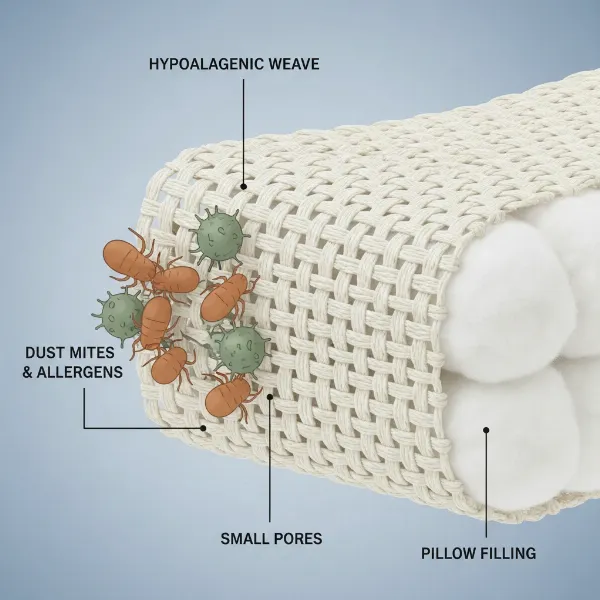 Illustration of tightly woven fabric blocking dust mites and allergens from a pillow core.
Types of Hypoallergenic Pillow Materials for Allergy Sufferers
Selecting the right material is paramount when choosing a hypoallergenic pillow. Different fillings offer varying degrees of resistance to dust mites and other allergens:
Memory Foam Pillows
|
Our Picks for the Best Bed pillows in 2026
As an Amazon Associate I earn from qualifying purchases.
|
||
| Num | Product | Action |
|---|---|---|
| 1 | Beckham Hotel Collection Bed Pillows Standard/Queen Size Set of 2 - Original Soft Down Alternative Pillow for Sleeping - Soft Support for Back, Stomach or Side Sleepers |

|
| 2 | Utopia Bedding Bed Pillows for Sleeping Queen Size (Black), Set of 2, Soft & Fluffy Pillow with Down Alternative Filling, Cooling, Hotel Quality, Gusseted Pillow for Back, Stomach or Side Sleepers |
|
| 3 | Utopia Bedding Bed Pillows for Sleeping Queen Size (Grey), Set of 2, Soft & Fluffy Pillow with Down Alternative Filling, Cooling, Hotel Quality, Gusseted Pillow for Back, Stomach or Side Sleepers |
|
| 4 | Utopia Bedding Bed Pillows for Sleeping Queen Size (Blue), Set of 2, Soft & Fluffy Pillow with Down Alternative Filling, Cooling, Hotel Quality, Gusseted Pillow for Back, Stomach or Side Sleepers |
|
| 5 | Amazon Basics Down Alternative Pillow for Back Side Sleepers, Medium Density, Standard Size, 26" x 20", 2-Pack, White |
|
| 6 | Amazon Basics Down-Alternative Pillows for Stomach and Back Sleepers, Soft Density, 20 x 36 inches, 2-Pack, White |
|
| 7 | Amazon Basics Down Alternative Pillows for Stomach and Back Sleepers, Soft Density, Standard, Pack of 2, White, 26 in L x 20 in W |
|
| 8 | Goose Feather Down Pillow Queen Size Set of 2, Hotel Collection Bed Pillows for Sleeping, 2 Pack, Down Surrounded Soft Medium Firm Pillows for Side Back Sleepers 20 x 30 in. |
|
| 9 | Utopia Bedding Bed Pillows for Sleeping Queen Size (Navy/White), Set of 2, Cooling Hotel Quality, Gusseted Pillow for Back, Stomach or Side Sleepers |
|
| 10 |
|
|
Memory foam is a popular choice for allergy sufferers due to its dense, viscoelastic structure. This material leaves little room for dust mites to burrow and thrive, making it inherently resistant to their penetration. Memory foam pillows also tend to be less absorbent of moisture and skin flakes compared to traditional fluffy fillings, further deterring mite activity.
Natural Latex Pillows
Natural latex, derived from rubber trees, is another excellent option. Its dense, resilient structure naturally resists dust mites, mold, and mildew. Beyond its physical properties, latex also boasts natural antimicrobial characteristics, providing an extra layer of defense against microscopic invaders. These pillows are often breathable and durable, contributing to a cleaner sleep environment over time.
Down Alternative (Synthetic Fiber) Pillows
Often made from polyester fibers, down alternative pillows can be a good synthetic option for those sensitive to natural down or feathers. Their effectiveness against dust mites largely depends on the quality of the fibers and, crucially, the tightness of the pillow’s casing. When manufactured with a tightly woven cover and, in some cases, antimicrobial treatments, they can effectively resist allergen buildup. However, loosely woven synthetic pillows can sometimes accumulate more allergens if not properly encased.
Silk Pillows
Silk is a luxurious and naturally hypoallergenic material. Its smooth, tightly woven fibers create an inhospitable environment for dust mites, as they struggle to cling to and burrow into the fabric. Silk is also naturally resistant to mold and mildew, and its breathability helps regulate temperature and moisture, further deterring allergen growth.
Organic Cotton, Tencel, and Bamboo-derived Rayon Covers
While these materials are typically used for pillow covers rather than fillings, they play a vital role in an allergy-friendly pillow system. They are often breathable, soft, and naturally moisture-wicking, which helps keep the sleep surface dry and less attractive to dust mites. When tightly woven, these covers can also serve as an effective physical barrier.
Feather/Down Pillows (With Caveats)
Historically, feather and down pillows were thought to be problematic for allergy sufferers. However, modern manufacturing processes involve thorough washing and sanitization of feathers, which removes dust mite allergens. The key to making feather/down pillows suitable for allergy sufferers lies in encasing them in very tightly woven, allergen-proof covers. Some studies even suggest that well-encased feather pillows with their naturally breathable properties might accumulate fewer mites than poorly encased synthetics. If you have a feather allergy, however, these are still best avoided.
Choosing the Best Hypoallergenic Pillow: A Buyer’s Guide
Selecting the right hypoallergenic pillow can significantly improve your sleep quality and reduce allergy symptoms. Consider these factors when making your choice:
Material
Align your pillow’s filling with your specific allergy needs and personal comfort preferences. Memory foam and natural latex are highly recommended for their dense, allergen-resistant properties. Down alternatives and silk are also excellent choices when combined with protective covers. Be mindful of individual allergies to specific materials, like bamboo or feathers, even if they are generally considered hypoallergenic.
Construction
The pillow’s construction is as critical as its material. Look for pillows with a tightly woven outer cover and a zippered encasement. This forms a robust physical barrier that prevents dust mites from entering or escaping. Some pillows also feature antimicrobial treatments in their fabric or filling, which can inhibit the growth of bacteria and mold, further enhancing allergen control.
Loft and Firmness
While not directly related to allergen control, the pillow’s loft (height) and firmness are crucial for ergonomic support. Proper head and neck alignment can improve breathing and reduce irritation, which is particularly important for allergy sufferers.
- Side sleepers often need a firmer, higher loft pillow to fill the gap between their head and shoulder.
- Back sleepers typically benefit from a medium loft and firmness to support the natural curve of the neck.
- Stomach sleepers usually require a softer, lower loft pillow to prevent neck strain.
Washability
Regular cleaning is vital for dust mite control. Choose pillows that are easy to wash, ideally machine-washable. For pillows that cannot be machine washed, look for clear instructions on how to spot clean or hand wash to maintain hygiene. Removable, washable covers are also an excellent feature for routine maintenance.
Certifications
While not universally present, certifications can offer an extra layer of assurance. Look for labels like NOMITE, which indicates suitability for house dust mite allergy sufferers, or OEKO-TEX, which certifies that textiles are free from harmful substances.
Beyond the Pillow: Comprehensive Dust Mite Management
While a good hypoallergenic pillow is a cornerstone of an allergy-friendly bedroom, it’s most effective when integrated into a broader dust mite management strategy.
Pillow Protectors
These are non-negotiable. Even if your pillow is labeled hypoallergenic, an additional tightly woven, zippered pillow protector acts as an essential, impenetrable barrier against dust mites. These covers trap existing allergens within the pillow and prevent new ones from colonizing. They are typically easier to wash frequently than the pillow itself, extending the life of your pillow.
Regular Washing
Consistency is key when it comes to washing. Pillowcases should be washed weekly in hot water (at least 130°F or 60°C). This temperature effectively kills dust mites and washes away their allergens. Pillows themselves, if machine washable, should be cleaned every three to four weeks. Always follow the manufacturer’s care instructions, as some materials may require specific washing cycles or temperatures to prevent damage.
Thorough Drying
After washing, ensure pillows are completely dry, preferably on a high heat setting, as heat also helps to eliminate dust mites. Using dryer balls can aid in fluffing the pillow and ensuring even drying, preventing lumps and trapped moisture that could encourage mold growth. For non-washable pillows, sealing them in a plastic bag and placing them in the freezer for 24 hours can kill dust mites.
Humidity Control
Dust mites thrive in humid environments. Maintain indoor humidity levels below 50% using a dehumidifier, especially in bedrooms. Opening windows when the weather is dry can also help improve air circulation and reduce moisture.
Replace Old Pillows
No matter how diligently you clean, pillows have a lifespan. They should typically be replaced every one to two years, or sooner if they lose their support, become lumpy, or if your allergy symptoms worsen despite cleaning efforts. Over time, even the most resistant pillows can accumulate allergens and lose their protective qualities.
Overall Bedroom Hygiene
Extend your dust mite control efforts to the entire bedroom. Vacuum carpets and upholstered furniture regularly with a vacuum cleaner equipped with a HEPA filter, which traps tiny allergen particles. Wash bedding, curtains, and drapes frequently. Consider wooden or metal bed frames over upholstered ones, and minimize clutter to reduce dust-collecting surfaces.
“Investing in an allergen-proof pillow is a smart first step, but real relief comes from creating a holistic allergy-friendly sleep environment. Think of it as teamwork: the pillow, the protector, and your cleaning routine all work together for a healthier night’s rest.” — Lan, Administrator of bedpillowsreview.com
Conclusion
The quest for a truly restorative, sneeze-free sleep often leads to the realm of hypoallergenic pillows. While no single product offers a magic bullet against dust mites, the right hypoallergenic pillow, especially one featuring dense, allergen-resistant materials like latex or memory foam and encased in a tightly woven, zippered protector, serves as a powerful defense. Its ability to create a barrier and deter allergen buildup is a significant advantage for allergy and asthma sufferers.
However, the efficacy of these pillows is greatly amplified when combined with diligent cleaning practices, such as regular hot water washing of all bedding and maintaining low bedroom humidity. By understanding the science behind dust mites and embracing a comprehensive approach to bedroom hygiene, you can transform your sleep space into a sanctuary of health and comfort. Invest wisely in your sleep health, and you might just discover the profound difference a truly dust mite-managed environment can make. What steps will you take tonight to reclaim your peaceful sleep?
Frequently Asked Questions
Are hypoallergenic pillows worth the investment?
Yes, for allergy and asthma sufferers, hypoallergenic pillows are generally a worthwhile investment. They significantly reduce exposure to common allergens like dust mites, mold, and pet dander, which can lead to fewer nighttime symptoms and a more restful sleep. Their value increases when paired with allergen-proof covers and a consistent cleaning routine.
How often should I wash my hypoallergenic pillow?
To effectively manage dust mites, machine-washable hypoallergenic pillows should be washed in hot water (at least 130°F or 60°C) every three to four weeks. Pillowcases should be washed weekly. Always check the manufacturer’s care label to ensure proper washing methods for your specific pillow material.
Can dust mites live in memory foam pillows?
While memory foam’s dense structure makes it less hospitable for dust mites to penetrate and thrive compared to more porous materials, it’s not entirely impervious. Dust mites can still accumulate on the surface and within any covers. Therefore, using a dust mite-proof cover and regular washing of that cover is still recommended for memory foam pillows.
What’s the difference between “hypoallergenic” and “dust mite proof” pillows?
“Hypoallergenic” generally means the pillow is made from materials less likely to cause an allergic reaction or harbor allergens. “Dust mite proof” typically refers to the pillow’s physical barrier, often a tightly woven fabric or encasement, designed specifically to prevent dust mites and their allergens from entering or escaping the pillow. For maximum protection against dust mites, look for pillows that combine both hypoallergenic materials and a dust mite-proof design or use a separate dust mite-proof protector.