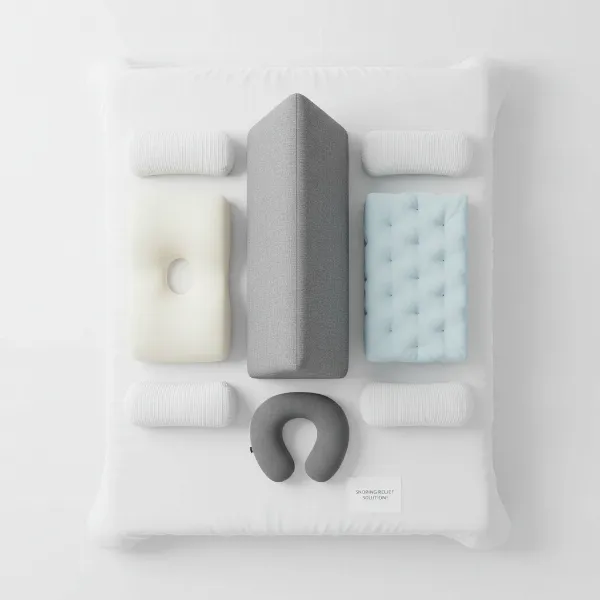
Waking up with a stuffy nose, itchy eyes, or a persistent cough can be more than just an inconvenience; for allergy and asthma sufferers, it’s a nightly battle that significantly impacts overall health and quality of life. The culprit? Often, it’s hiding right beneath your head – your pillow. Traditional pillows can be breeding grounds for dust mites, mold, pet dander, and even harsh chemicals, all of which exacerbate respiratory issues and skin sensitivities. Switching to an organic bed pillow, however, can be a transformative step towards cleaner breathing, deeper sleep, and improved well-being. This comprehensive guide will explore the world of organic, allergy-friendly pillows, helping you navigate the options to find the perfect sleep companion that supports your health naturally.
The Importance of Organic Bed Pillows for Allergy and Asthma Sufferers
Sleep is a fundamental pillar of health, yet for millions, it’s interrupted by allergens lurking in their bedding. Conventional pillows, often filled with synthetic fibers or traditional down, can accumulate dust mites, moisture, and pet dander over time. These microscopic invaders, along with potential chemical irritants from manufacturing processes, trigger allergic reactions and asthma symptoms, turning your sanctuary into a source of discomfort.
Organic bed pillows offer a vital solution by providing a naturally inhospitable environment for allergens. They are crafted from materials free from pesticides, harsh dyes, and synthetic chemicals, reducing your exposure to environmental triggers. The benefits extend beyond symptom relief, leading to improved sleep quality, reduced nighttime congestion, and fewer morning allergy attacks. Choosing the right organic pillow means investing in not just comfort, but a healthier sleep ecosystem that promotes uninterrupted rest and revitalized mornings.
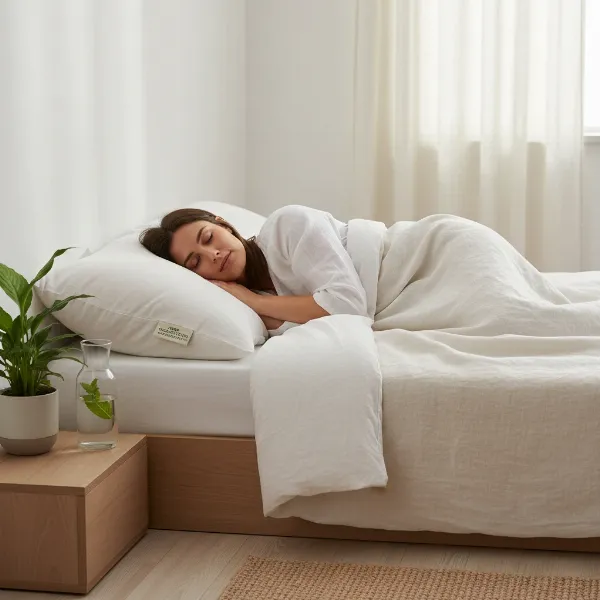 Person sleeping peacefully on an organic pillow, symbolizing allergy relief and healthy sleep.
Understanding Organic and Hypoallergenic Pillow Materials
When seeking relief from allergies and asthma, the materials your pillow is made from are paramount. “Organic” refers to materials grown and processed without harmful chemicals, pesticides, or genetically modified organisms, often certified by standards like GOTS (Global Organic Textile Standard) for cotton and wool, or GOLS (Global Organic Latex Standard) for latex. “Hypoallergenic” means the material is less likely to cause an allergic reaction and typically resists common allergens like dust mites and mold.
Many traditional down and feather pillows, while soft, can exacerbate allergies by providing an ideal habitat for dust mites. Synthetic fills, if not specifically designed as hypoallergenic or made from certified low-VOC (Volatile Organic Compound) materials, might introduce chemical sensitivities. The best organic and hypoallergenic pillows combine natural purity with inherent resistance to common irritants.
Popular Organic Bed Pillow Materials for Allergy Relief
The market offers a diverse range of natural materials that are excellent choices for allergy and asthma sufferers. Each boasts unique properties that contribute to a healthier sleep environment.
Organic Cotton Pillows
Organic cotton is a popular choice for pillow covers and, sometimes, as a soft fill. It is cultivated without synthetic pesticides or fertilizers, ensuring a pure, breathable fabric.
- Pros: Soft, breathable, naturally absorbent, and free from irritating chemicals. Organic cotton covers are excellent for protecting the pillow’s core and can often be removed and washed easily, helping to keep allergens at bay.
- Cons: As a sole fill, organic cotton can compress over time, losing some loft and support, and might not be as resistant to dust mites as other denser natural fills if not tightly woven or frequently washed.
- Best for: Those with sensitive skin, mild allergies, and those seeking a pillow with a soft, natural feel, often as part of a blended fill or for pillow covers.
|
Our Picks for the Best Bed pillows in 2026
As an Amazon Associate I earn from qualifying purchases.
|
||
| Num | Product | Action |
|---|---|---|
| 1 | Amazon Basics Down Alternative Pillow for Back Side Sleepers, Medium Density, Standard Size, 26" x 20", 2-Pack, White |

|
| 2 | Utopia Bedding Bed Pillows for Sleeping Queen Size (Navy/White), Set of 2, Cooling Hotel Quality, Gusseted Pillow for Back, Stomach or Side Sleepers |
|
| 3 | Utopia Bedding Bed Pillows for Sleeping Queen Size (White), Set of 2, Soft & Fluffy Pillow with Down Alternative Filling, Cooling, Hotel Quality, Gusseted Pillow for Back, Stomach or Side Sleepers |
|
| 4 | Goose Feather Down Pillow Queen Size Set of 2, Hotel Collection Bed Pillows for Sleeping, 2 Pack, Down Surrounded Soft Medium Firm Pillows for Side Back Sleepers 20 x 30 in. |
|
| 5 | Amazon Basics Down-Alternative Pillows for Stomach and Back Sleepers, Soft Density, 20 x 36 inches, 2-Pack, White |
|
| 6 | Beckham Hotel Collection Bed Pillows Standard/Queen Size Set of 2 - Original Soft Down Alternative Pillow for Sleeping - Soft Support for Back, Stomach or Side Sleepers |
|
| 7 | Utopia Bedding Bed Pillows for Sleeping Queen Size (Black), Set of 2, Soft & Fluffy Pillow with Down Alternative Filling, Cooling, Hotel Quality, Gusseted Pillow for Back, Stomach or Side Sleepers |
|
| 8 | Utopia Bedding Bed Pillows for Sleeping Queen Size (Grey), Set of 2, Soft & Fluffy Pillow with Down Alternative Filling, Cooling, Hotel Quality, Gusseted Pillow for Back, Stomach or Side Sleepers |
|
| 9 | Utopia Bedding Bed Pillows for Sleeping Queen Size (Blue), Set of 2, Soft & Fluffy Pillow with Down Alternative Filling, Cooling, Hotel Quality, Gusseted Pillow for Back, Stomach or Side Sleepers |
|
| 10 | Amazon Basics Down Alternative Pillows for Stomach and Back Sleepers, Soft Density, Standard, Pack of 2, White, 26 in L x 20 in W |
|
Natural Latex Pillows
Derived from the sap of rubber trees, natural latex is an exceptional material for allergy sufferers. It is inherently resistant to dust mites, mold, and mildew.
- Pros: Highly durable, resilient, provides excellent supportive bounce, and is naturally antimicrobial. Natural latex is incredibly breathable due to its open-cell structure, promoting airflow and discouraging moisture buildup. It comes in shredded (adjustable) and solid forms.
- Cons: Can be heavier and more expensive than other options. Some individuals might have a latex allergy, though reactions to processed natural latex are rare compared to raw latex.
- Best for: All sleeping positions, especially those needing firm yet contouring support, and individuals with severe dust mite allergies or mold sensitivities. Look for GOLS certified latex for purity.
Memory Foam Pillows (Hypoallergenic Versions)
While not “organic” in the botanical sense, many memory foam pillows are designed to be hypoallergenic and can be a good option when certified for low VOCs. Traditional memory foam is a synthetic material.
- Pros: Conforms closely to the head and neck, providing excellent pressure relief and support. Its dense structure naturally discourages dust mites. Many modern memory foam pillows are infused with cooling gels or designed with ventilation to address heat retention.
- Cons: Can sometimes trap heat, and conventional memory foam may off-gas (release VOCs) which can be an irritant for chemically sensitive individuals. Not all memory foam is created equal in terms of purity.
- Best for: Those needing contouring support and pressure relief, provided they choose certified non-toxic, low-VOC memory foam (e.g., CertiPUR-US® certified) to avoid chemical sensitivities.
Buckwheat Hull Pillows
Buckwheat hulls are the husks of buckwheat seeds, making for a unique and supportive pillow fill.
- Pros: Naturally hypoallergenic, resistant to dust mites, and incredibly breathable due to the air circulation between the hulls. They conform perfectly to the head and neck, offering customizable, firm support. The fill can be adjusted for ideal loft.
- Cons: Can be heavier and produce a rustling sound with movement, which some sleepers might find disruptive.
- Best for: Individuals seeking firm, adjustable support and excellent airflow, particularly back and side sleepers with neck pain or severe allergies.
Organic Wool and Kapok Pillows
These natural fibers are excellent additions to the organic, allergy-friendly pillow lineup.
- Organic Wool Pillows: Wool is naturally hypoallergenic, dust mite resistant, and remarkable for its temperature-regulating properties, keeping you cool in summer and warm in winter by wicking away moisture. It offers medium-firm support and can be very durable. Look for GOTS certified wool.
- Kapok Pillows: Kapok is a silky, plant-based fiber from the kapok tree, often used as a vegan, hypoallergenic alternative to down. It’s soft, lightweight, and can be adjustable if shredded. It’s naturally free of pesticides when harvested responsibly.
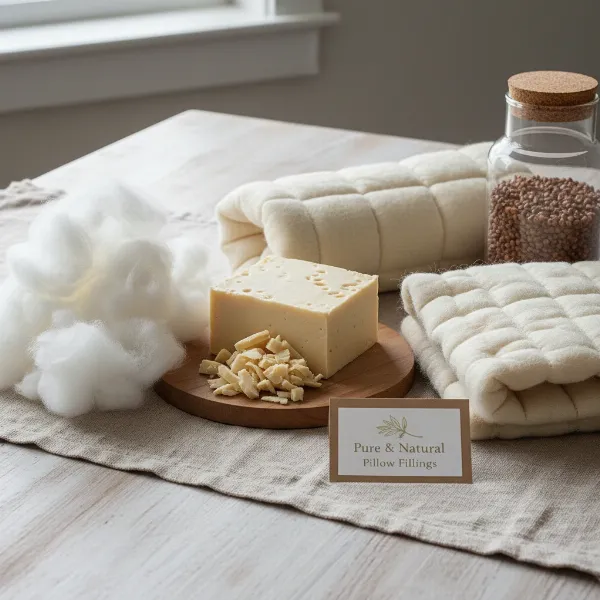 Assortment of organic pillow materials like cotton, latex, wool, and buckwheat hulls.
Comparative Overview of Organic Bed Pillow Materials
| Material | Hypoallergenic Properties | Breathability | Support/Firmness | Durability | Price Range (General) |
|---|---|---|---|---|---|
| Organic Cotton | Good, especially for covers, but less mite-resistant as fill | High | Soft to Medium | Medium | Mid |
| Natural Latex | Excellent (dust mite, mold, mildew resistant) | High | Medium-Firm to Firm | High | High |
| Memory Foam (Certified Hypoallergenic) | Good (dense structure resists mites) | Variable | Medium-Soft to Firm | Medium-High | Mid-High |
| Buckwheat Hulls | Excellent (dust mite, mold resistant) | Very High | Firm, Adjustable | High | Mid |
| Organic Wool | Excellent (dust mite, mold, mildew resistant) | High | Medium-Firm | High | High |
| Kapok | Excellent (dust mite resistant, plant-based) | Medium | Soft, Adjustable | Medium | Mid-High |
Choosing the Best Organic Bed Pillow: A Buyer’s Guide
Selecting the ideal organic pillow involves considering several factors to ensure it meets your specific needs for allergy relief, comfort, and support.
Sleeping Position Matters
Your preferred sleeping position is a crucial determinant for pillow choice. The right pillow will maintain proper spinal alignment, reducing strain on your neck and shoulders.
- Side Sleepers: Typically require a firmer, higher loft pillow to fill the gap between the head and shoulder, keeping the spine aligned. Natural latex and organic wool often provide the necessary support.
- Back Sleepers: Do best with a medium-loft pillow that cradles the natural curve of the neck without pushing the head too far forward. Shredded latex or adjustable kapok can work well.
- Stomach Sleepers: Often most comfortable with a soft, low-profile pillow to minimize strain on the neck and spine. A soft organic cotton or a gently filled kapok pillow might be suitable.
Pillow Loft and Firmness
Loft refers to the pillow’s height, while firmness describes its density and resistance to compression. These should complement your sleeping position and body type. An adjustable pillow, often filled with shredded latex or kapok, allows you to add or remove fill to achieve your perfect loft and firmness. Medium-firm pillows can be particularly beneficial for allergy sufferers experiencing nighttime congestion, as they can help keep the head and neck slightly elevated, potentially improving breathing.
Material Considerations & Certifications
Beyond natural allergen resistance, look for reputable certifications that guarantee the pillow’s purity and safety.
- GOTS (Global Organic Textile Standard): For organic cotton and wool, ensuring ecological and social criteria throughout the supply chain.
- GOLS (Global Organic Latex Standard): For organic latex, verifying its natural origin and processing standards.
- OEKO-TEX Standard 100: Certifies that every component of the product, from fabric to thread, has been tested for harmful substances.
- GREENGUARD Gold Certified: Indicates low chemical emissions, crucial for memory foam or other manufactured fills to ensure better indoor air quality.
- Asthma & Allergy Friendly Certification Program: Products with this certification have been scientifically tested and proven to be suitable for people with asthma and allergies.
These certifications provide peace of mind that your pillow is free from common irritants and toxic chemicals, creating a truly healthy sleep environment.
Breathability and Temperature Regulation
Pillows that promote airflow are essential for allergy and asthma sufferers. Good breathability helps regulate temperature, preventing overheating and discouraging the growth of mold and mildew, which thrive in warm, damp conditions. Materials like natural latex, organic wool, and buckwheat hulls are renowned for their excellent airflow and moisture-wicking properties.
Washability and Maintenance
Regular cleaning is vital for managing allergens. Many organic pillows come with removable, washable covers, typically made from organic cotton. Some pillow fills, like certain wool or down alternative options, may also be washable. Always follow the manufacturer’s care instructions to maintain the pillow’s integrity and allergy-fighting properties. Routine airing out can also help keep your pillow fresh and dry.
Top Considerations for Organic Bed Pillows for Allergy and Asthma
When seeking the best organic bed pillow to combat allergies and asthma, several features consistently stand out as beneficial. Pillows that combine multiple natural, allergen-resistant materials, such as organic cotton covers with natural shredded latex and wool fills, often provide superior protection and comfort. Expert allergists and immunologists often recommend materials like natural latex and memory foam due to their dense structure, which is less inviting for dust mites and other allergens. Furthermore, adjustable fill options are highly valued, allowing sleepers to customize the pillow’s loft and firmness to perfectly suit their individual needs and sleeping positions. This adjustability ensures optimal spinal alignment and comfort, which are critical for an uninterrupted, symptom-free night’s rest.
“A truly effective allergy-friendly pillow does more than just avoid allergens; it actively repels them while providing optimal support. Look for multi-certified materials that offer both peace of mind and superior comfort.”
Maintaining Your Organic Allergy-Friendly Pillow
To maximize the life and efficacy of your organic allergy-friendly pillow, proper care is essential. Regular maintenance helps prevent the buildup of allergens and keeps your sleep environment pristine.
- Daily Maintenance: Fluff your pillow daily to restore its shape and promote airflow. If possible, air out your pillow periodically by placing it in a well-ventilated area away from direct sunlight.
- Washing Covers: Most organic pillows feature removable organic cotton covers that are machine washable. Wash them in hot water (at least 130°F or 55°C) once a week to kill dust mites and remove allergens. Use a mild, unscented, eco-friendly detergent.
- Washing Pillow Inserts: Check the care label for the pillow’s internal fill. Some materials like certain types of organic wool or down alternatives can be machine washed, usually on a gentle cycle with cold water. Natural latex and buckwheat hulls typically cannot be submerged in water; spot cleaning is recommended, or airing them out. Ensure pillows are thoroughly dry before re-casing to prevent mold growth.
- Pillow Protectors: Consider using an allergen-proof pillow protector beneath your organic pillowcase. These tightly woven covers provide an additional barrier against dust mites and other allergens, further extending the life and cleanliness of your pillow.
Following these guidelines will ensure your organic pillow continues to provide a clean, healthy, and restful sleep experience for years to come.
Conclusion
Choosing the right organic bed pillow is a crucial investment in your health, especially if you suffer from allergies or asthma. By opting for natural, chemical-free materials like organic latex, wool, cotton, kapok, or buckwheat hulls, you can significantly reduce your exposure to common allergens and irritants. Remember to consider your sleeping position, desired firmness, and look for reputable certifications to ensure purity and quality. A clean, allergen-free sleep environment is not just a luxury; it’s a necessity for better breathing, deeper sleep, and an improved quality of life.
Are you ready to transform your sleep and wake up refreshed, free from nighttime allergy symptoms?
Frequently Asked Questions
What makes a pillow “organic” for allergy sufferers?
An organic pillow for allergy sufferers is typically made from materials grown and processed without harmful pesticides, chemicals, or synthetic additives. It often carries certifications like GOTS or GOLS, ensuring non-toxic components that won’t trigger chemical sensitivities or harbor common allergens.
How do organic pillows help with dust mite allergies?
Organic pillows made from dense natural materials like natural latex, wool, or buckwheat hulls create an inhospitable environment for dust mites. These materials inherently resist mite colonization and often feature breathable structures that prevent the moisture and warmth dust mites thrive in.
Can a firm organic pillow improve asthma symptoms?
A medium-firm organic pillow, particularly for back or side sleepers, can help maintain optimal spinal alignment and keep the head and neck elevated. This positioning can improve airflow and reduce nighttime congestion, potentially alleviating some asthma symptoms by supporting clearer breathing.
Are organic memory foam pillows truly hypoallergenic?
Hypoallergenic memory foam pillows, while synthetic, can be effective against allergies if certified for low VOC emissions (e.g., CertiPUR-US® or GREENGUARD Gold). Their dense structure inherently resists dust mites and mold, offering a good option for those seeking contouring support without chemical off-gassing.
How often should I replace my organic allergy-friendly pillow?
Even with proper care, it is generally recommended to replace pillows every 1-3 years, depending on the material and wear. However, durable organic options like natural latex or buckwheat hulls might last longer. Regular washing of covers and proper maintenance can help extend their lifespan and effectiveness against allergens.