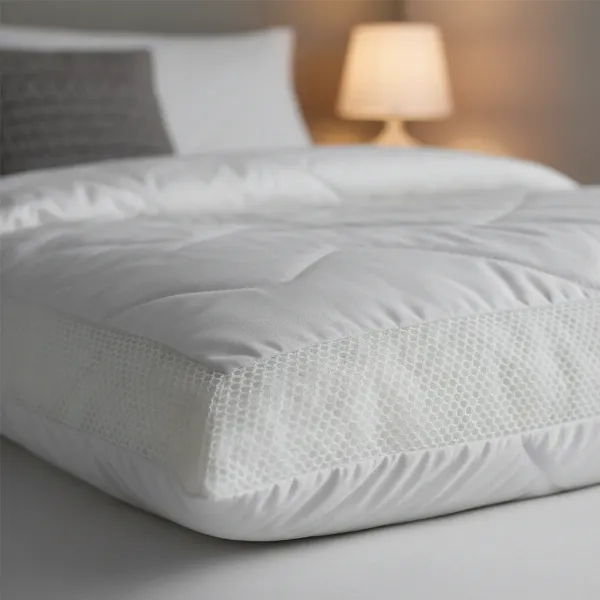
Are you constantly adjusting your pillow throughout the night, struggling to find that sweet spot of comfort and support? Many traditional pillows flatten over time, trap heat, and fail to adapt to varied sleeping positions. If you’re waking up with discomfort or seeking a more consistent sleep experience, it might be time to consider a microbead pillow. This article will delve into whether microbead pillows are still a good option for achieving restorative sleep and overall well-being.
Microbead Pillows: An Overview of Their Unique Design and Benefits
Microbead pillows are a distinct type of pillow filled with thousands of tiny, compressible polymer beads, typically expanded polystyrene (EPS). These beads allow the pillow to be incredibly flexible and moldable, conforming precisely to the contours of your head, neck, and shoulders. This adaptive quality is one of their most significant advantages, providing customized support that many traditional pillow fillings struggle to match.
The importance of a good pillow for quality sleep cannot be overstated. A suitable pillow helps maintain spinal alignment, alleviates pressure points, and ensures comfort throughout the night. Microbead pillows offer several key benefits that contribute to these aspects:
- Adaptive Support: The individual beads shift and conform to your body’s shape, offering tailored support that cradles your head and neck, reducing pressure points.
- Breathability and Cooling: Unlike some dense materials that trap heat, the spaces between the microbeads allow for improved airflow, which can contribute to a cooler and more refreshing sleep experience. While some microbeads can retain heat, many designs incorporate breathable covers to enhance cooling.
- Durability and Shape Retention: High-quality microbead pillows are designed to maintain their structure and supportive properties over time, resisting the flattening and clumping common with fiberfill or feather pillows.
- Lightweight and Moldable: Their lightweight nature makes them easy to reposition, adapting effortlessly as you shift sleeping positions. This also makes them excellent for travel.
- Hypoallergenic Properties: Many microbead pillows are naturally resistant to dust mites and allergens, making them a suitable option for individuals with allergies or sensitivities.
- Versatile Use: Beyond sleeping, these pillows offer exceptional support for various activities like reading, lounging, or providing lumbar support for prolonged sitting.
Microbead pillows offer a unique blend of softness and stability, making them a “game-changer” for many seeking enhanced comfort and pressure relief.
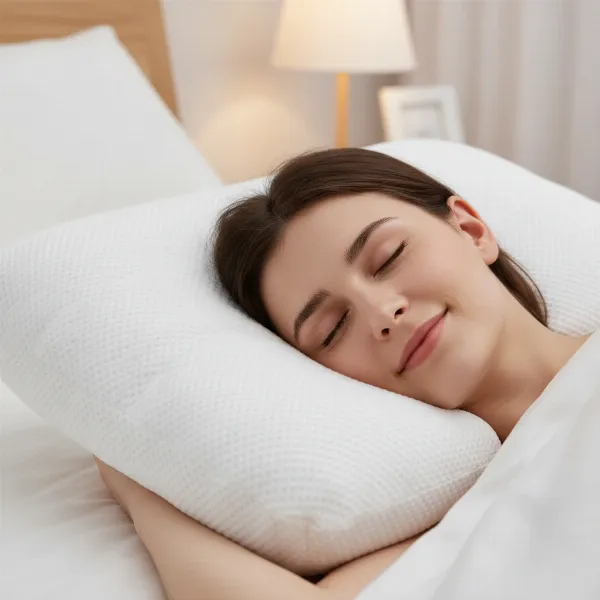 Microbead pillow conforming to head and neck for adaptive support.
Unpacking the Different Types of Pillow Fillings: Where Microbeads Stand Out
Understanding the various pillow fillings available helps contextualize the unique advantages of microbead pillows. Each material offers a different feel, level of support, and set of benefits and drawbacks.
Feather and Down Pillows
|
Our Picks for the Best Bed pillows in 2026
As an Amazon Associate I earn from qualifying purchases.
|
||
| Num | Product | Action |
|---|---|---|
| 1 | Amazon Basics Down Alternative Pillow for Back Side Sleepers, Medium Density, Standard Size, 26" x 20", 2-Pack, White |

|
| 2 | Utopia Bedding Bed Pillows for Sleeping Queen Size (White), Set of 2, Soft & Fluffy Pillow with Down Alternative Filling, Cooling, Hotel Quality, Gusseted Pillow for Back, Stomach or Side Sleepers |
|
| 3 | Utopia Bedding Bed Pillows for Sleeping Queen Size (Black), Set of 2, Soft & Fluffy Pillow with Down Alternative Filling, Cooling, Hotel Quality, Gusseted Pillow for Back, Stomach or Side Sleepers |
|
| 4 | Utopia Bedding Bed Pillows for Sleeping Queen Size (Blue), Set of 2, Soft & Fluffy Pillow with Down Alternative Filling, Cooling, Hotel Quality, Gusseted Pillow for Back, Stomach or Side Sleepers |
|
| 5 | Amazon Basics Down Alternative Pillows for Stomach and Back Sleepers, Soft Density, Standard, Pack of 2, White, 26 in L x 20 in W |
|
| 6 | Utopia Bedding Bed Pillows for Sleeping Queen Size (Grey), Set of 2, Soft & Fluffy Pillow with Down Alternative Filling, Cooling, Hotel Quality, Gusseted Pillow for Back, Stomach or Side Sleepers |
|
| 7 | Beckham Hotel Collection Bed Pillows Standard/Queen Size Set of 2 - Original Soft Down Alternative Pillow for Sleeping - Soft Support for Back, Stomach or Side Sleepers |
|
| 8 | Utopia Bedding Bed Pillows for Sleeping Queen Size (Navy/White), Set of 2, Cooling Hotel Quality, Gusseted Pillow for Back, Stomach or Side Sleepers |
|
| 9 | Amazon Basics Down-Alternative Pillows for Stomach and Back Sleepers, Soft Density, 20 x 36 inches, 2-Pack, White |
|
| 10 | Goose Feather Down Pillow Queen Size Set of 2, Hotel Collection Bed Pillows for Sleeping, 2 Pack, Down Surrounded Soft Medium Firm Pillows for Side Back Sleepers 20 x 30 in. |
|
Pros: Soft, plush, easily moldable, luxurious feel.
Cons: Can flatten quickly, require frequent fluffing, may trigger allergies, can be expensive.
Suitability: Best for those who prefer a soft, malleable pillow that can be easily shaped.
Cotton and Synthetic Fiber Pillows
Pros: Inexpensive, widely available, often hypoallergenic, easy to wash.
Cons: Tend to flatten and clump over time, lose support, can retain heat, shortest lifespan.
Suitability: Good for budget-conscious sleepers or those needing temporary support.
Latex Pillows
Pros: Durable, supportive, naturally hypoallergenic and resistant to dust mites, good airflow.
Cons: Can be expensive, heavy, may have a distinct odor, not as moldable as other types.
Suitability: Ideal for those needing firm, consistent support and excellent durability.
Memory Foam Pillows
Pros: Contouring support, excellent pressure relief, molds to your shape, good for neck pain.
Cons: Can retain heat, can feel dense or “sink-in,” may have off-gassing odor, slow to rebound.
Suitability: Best for sleepers needing firm, individualized support for pain relief.
Buckwheat Pillows
Pros: Highly moldable, excellent airflow (very cool), natural, firm support.
Cons: Can be heavy, make rustling noises, may take time to get used to the feel, not soft.
Suitability: Preferred by those seeking natural, firm, and breathable support.
Comparing Microbead Pillows to Other Popular Types
Microbead pillows carve out their own niche by combining moldability with consistent support and often better breathability than traditional foam.
| Feature | Microbead Pillows | Feather/Down Pillows | Memory Foam Pillows | Buckwheat Pillows |
|---|---|---|---|---|
| Material | Tiny polystyrene (EPS) beads | Feathers/down from ducks or geese | Viscoelastic polyurethane foam | Buckwheat hulls |
| Support | Adaptive, contours to shape, consistent | Soft, less consistent, needs fluffing | Conforming, firm, pressure-relieving | Firm, highly contouring, adjustable |
| Firmness | Generally medium-firm, depends on bead density | Soft to medium-soft | Medium to firm | Firm to very firm |
| Breathability | Good airflow, often cooling covers | Varies, can trap heat | Can retain heat | Excellent airflow, very cool |
| Durability | Long-lasting, maintains shape | Can flatten over time | Moderate to high, can degrade with heat | Very durable, long lifespan |
| Maintenance | Removable, washable covers; spot clean fill | Often dry clean; can be washed carefully | Spot clean only, covers washable | Spot clean; hulls can be replaced |
| Allergies | Generally hypoallergenic | Can trigger allergies | Hypoallergenic | Naturally hypoallergenic |
| Noise | Minimal to none | Can rustle | None | Can make rustling noise |
| Price Range | Mid-range | High (down) to mid (feather) | Mid-range to high | Mid-range |
Key Factors to Consider When Choosing Microbead Pillows
Selecting the right microbead pillow ensures you maximize its comfort and support benefits. Consider these factors to find your ideal match:
Your Preferred Sleeping Position
Your sleep position dictates the loft and firmness needed for proper spinal alignment:
- Side Sleepers: Need a higher loft and firmer pillow to fill the gap between the head and shoulder, keeping the neck aligned with the spine. Microbead body pillows can also offer full-body support.
- Back Sleepers: Require a medium loft and firmness to support the natural curve of the neck without pushing the head too far forward.
- Stomach Sleepers: Benefit from a very low loft and softer pillow to prevent neck strain. Some microbead designs can be flattened significantly for this purpose.
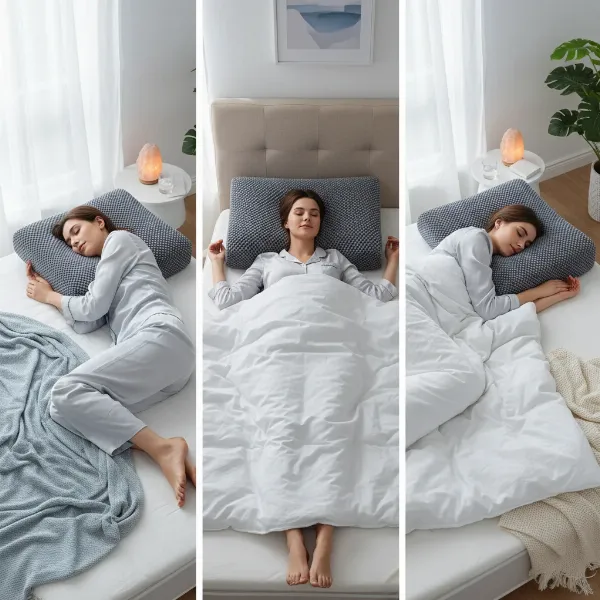 Person sleeping on a microbead pillow in various positions: side, back, and stomach.
Pillow Loft (Height)
Loft refers to the height of the pillow. A pillow’s loft should support your head and neck in a neutral position, aligning with your spine. Microbead pillows, due to their moldable nature, allow for some adjustment in loft by redistributing the beads.
Pillow Firmness
The firmness level affects both comfort and support. Microbead pillows can range from softer, more plush feels (with lower-density beads) to firmer, more structured support (with higher-density beads). Firmer options are often recommended for those needing extra neck or back support.
Material Quality and Hypoallergenic Properties
Look for high-quality microbeads, often expanded polystyrene (EPS), and a durable, breathable outer fabric. Many microbead pillows are designed to be hypoallergenic, resisting dust mites and other common allergens, making them a safe choice for sensitive sleepers.
It’s important to clarify the common misconception about “microbeads.” The microbeads used in pillows are typically larger EPS beads, distinct from the plastic microbeads (polyethylene or polypropylene) once used in personal care products that raised significant environmental concerns and were subsequently banned. Pillow manufacturers often avoid the term “microbead” in marketing due to this negative association, opting for terms like “bead pillow” or “cloud pillow.”
“While the term ‘microbead’ sometimes carries negative connotations due to past environmental concerns with cosmetics, the type of microbeads found in pillows are typically different. They’re designed for comfort and durability within a contained structure, not for washing down the drain.”
Budget Considerations
Microbead pillows generally fall into a mid-range price category, offering excellent value for their durability and adaptive support compared to some luxury traditional options. However, prices can vary based on size, brand, and additional features like cooling covers.
What to Look for in a Quality Microbead Pillow
When selecting a microbead pillow, keep an eye out for these features to ensure you’re getting a high-quality product that will last:
- Reinforced Stitching: Given the tiny nature of the beads, strong, reinforced stitching is crucial to prevent leakage. A well-constructed pillow minimizes the risk of beads escaping.
- Durable Outer Fabric: The cover should be soft, breathable, and strong enough to withstand regular use and cleaning. Materials like silky-feel covers or blends that promote airflow are beneficial.
- Adjustable Fill (If Available): While not all microbead pillows offer this, some higher-end options allow you to add or remove beads to customize the firmness and loft, providing truly personalized comfort.
- Cooling Features: Look for pillows specifically marketed as “cooling microbead pillows” with breathable covers and materials designed to dissipate heat.
- Ergonomic Design: Consider shapes like bolster or body pillows if you need targeted support for specific areas like the neck, lower back, or for maternity support.
How to Clean and Maintain Your Microbead Pillows
Proper care is essential to extend the lifespan and maintain the hygiene of your microbead pillow.
- Covers are Key: Most microbead pillows come with removable, machine-washable covers. Always follow the manufacturer’s instructions for washing the cover, typically using a gentle cycle with cold water and mild detergent.
- Spot Cleaning the Fill: The inner pillow filled with microbeads should generally be spot cleaned only. Use a damp cloth with a mild soap solution to gently clean any soiled areas. Avoid saturating the pillow with water.
- Drying: Allow the pillow (especially if spot-cleaned) and its cover to air dry completely. Ensure the inner pillow is thoroughly dry before replacing the cover to prevent mold or mildew. Tumble drying on a low or no-heat setting might be an option for covers if indicated by the label.
- Avoid Harsh Chemicals: Steer clear of bleach or strong chemical cleaners, as these can damage the pillow’s materials and compromise the integrity of the beads.
- Inspect Regularly: Periodically check the seams of your pillow for any signs of wear or damage to prevent bead leakage. Promptly address any weak spots.
While the microbeads themselves are generally durable, mishandling, especially during washing, could lead to breakage and spillage, which can be messy and, if many beads enter plumbing, potentially problematic.
Conclusion
Microbead pillows offer a compelling alternative in the crowded world of sleep accessories, delivering adaptive support, breathability, and impressive durability. Their unique moldable nature allows them to contour to your body, providing customized comfort and helping to alleviate common issues like neck strain. While concerns about the term “microbead” may linger due to past environmental issues with cosmetic products, pillow microbeads (expanded polystyrene) are generally safe when contained within a well-constructed pillow.
If you prioritize a pillow that consistently supports your posture, remains cool, and adapts to your movements throughout the night, a high-quality microbead pillow could significantly enhance your sleep experience. By considering your specific sleep needs and looking for key quality indicators, you can confidently choose a microbead pillow that becomes a cornerstone of your restful nights.
Are you ready to discover the personalized comfort that a microbead pillow can offer?
Frequently Asked Questions
Are microbead pillows safe to use?
Yes, microbead pillows are generally safe to use. The microbeads used in pillows are typically larger expanded polystyrene (EPS) beads, which are different from the polyethylene microbeads found in personal care products that were banned due to environmental concerns. Quality pillows are designed with durable covers and reinforced stitching to contain the beads securely.
Do microbead pillows get hot during the night?
High-quality microbead pillows are often designed with breathability in mind. The spaces between the beads allow for air circulation, which helps dissipate heat. Many also feature cooling covers to enhance this effect, offering a cooler sleep experience compared to denser materials like some memory foams.
How long do microbead pillows typically last?
With proper care, a high-quality microbead pillow can last several years. The beads maintain their structure and supportive properties longer than many traditional fillings, which tend to flatten or clump. Regular cleaning of the cover and careful handling can significantly extend its lifespan.
Can microbead pillows help with neck pain?
Yes, microbead pillows can be beneficial for neck pain. Their ability to contour precisely to the curve of your head and neck provides consistent, adaptive support that helps maintain proper spinal alignment. This reduces pressure points and can alleviate discomfort in the neck and shoulders.
Are microbead pillows suitable for all sleeping positions?
Microbead pillows are highly versatile. Their moldable nature allows them to be adapted for side, back, and even stomach sleepers, depending on the pillow’s size, shape, and how the beads are distributed. Many brands offer various designs, like bolsters or body pillows, to cater to specific needs and sleeping styles.